
Which salt is best for health? Compare iodized, sea, pink, and low-sodium salts to understand their benefits, risks, and daily sodium limits for adults.
Which Salt Is Best for Health?
Iodized salt is the best everyday salt for most people, and potassium-enriched low-sodium salt is the best choice for people with high blood pressure who have healthy kidneys. Sea salt, Himalayan pink salt, and kosher salt are not healthier than table salt. All of them contain about 98 to 99 percent sodium chloride, so the amount you eat matters more than the type you pick. This guide compares each salt, explains what the research shows, and helps you choose the right one for your body.
Why Salt Matters for Your Health
Your body needs sodium. Sodium helps your nerves send signals, your muscles contract, and your cells balance fluids. You only need a small amount, though.
Most people eat far too much. The World Health Organization (WHO) recommends less than 5 grams of salt (about 2,000 mg of sodium) per day for adults. The WHO reports that the global average sits at about 10.8 grams per day, more than double that target.
Eating too much sodium raises blood pressure. High blood pressure increases your risk of heart disease, stroke, and kidney disease. That is why the question “which salt is best for health” really comes down to two things: the type of salt and, more importantly, how much you eat.
What Is the Difference Between Types of Salt?
Every common salt comes from the same source: sodium chloride, mined from underground deposits or evaporated from seawater. Processing, crystal size, and trace minerals set them apart.
Iodized Table Salt
Manufacturers add iodine to table salt. Iodine helps your thyroid make hormones that control metabolism, growth, and brain development. Iodine deficiency causes goiter (an enlarged thyroid) and can harm a baby’s brain development during pregnancy.
Adults need about 150 micrograms of iodine per day, and pregnant women need more. Public health programs added iodine to salt in many countries because it prevents deficiency cheaply and reliably.
Best for: Most people, especially those who eat little seafood or dairy, and pregnant or breastfeeding women.
Sea Salt
Producers make sea salt by evaporating seawater. It may contain tiny amounts of magnesium, calcium, and potassium. Those amounts are too small to improve your health.
Sea salt has the same sodium content as table salt by weight. Most sea salt does not contain added iodine, so switching could lower your iodine intake.
Best for: Flavor and texture, not nutrition.
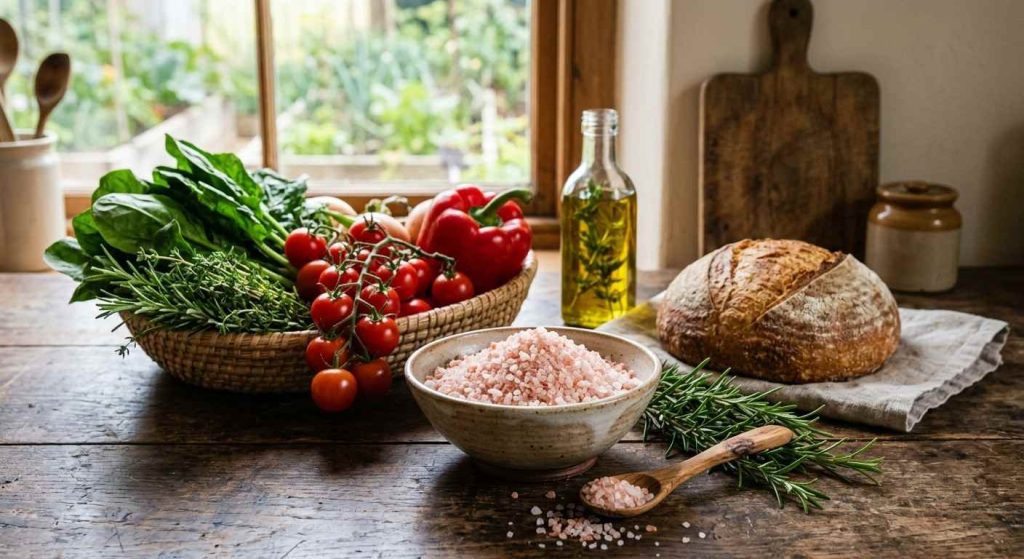
Himalayan Pink Salt
Miners extract Himalayan pink salt from salt deposits, most of it from the Khewra Salt Mine in Punjab, Pakistan. Iron oxide gives it a pink color. It contains trace minerals such as potassium, magnesium, and calcium.
The claims you see online, such as “detoxes the body” or “balances pH,” lack scientific support. The trace minerals appear in amounts too small to matter, and a typical serving gives you almost none of them. Pink salt also usually lacks iodine.
Best for: Appearance, finishing dishes, and cooking blocks. It does not offer proven health benefits over other salts.
Kosher Salt
Kosher salt has large, coarse crystals and usually no iodine. Chefs like it because you can pinch and control it easily. Because the crystals are large, one teaspoon of kosher salt contains less sodium than one teaspoon of table salt. By weight, the sodium content matches.
Best for: Cooking, as long as you get iodine elsewhere.
Low-Sodium Salt and Potassium Salt Substitutes
Low-sodium salt replaces part of the sodium chloride with potassium chloride. Potassium helps lower blood pressure, so this swap works twice: you eat less sodium and more potassium.
The strongest evidence comes from the Salt Substitute and Stroke Study (SSaSS), published in the New England Journal of Medicine in 2021. The trial followed more than 20,000 people in rural China with a history of stroke or high blood pressure. People who used a salt substitute (75% sodium chloride, 25% potassium chloride) had a 14 percent lower risk of stroke and a 12 percent lower risk of death than those who used regular salt.
Best for: Adults with high blood pressure and healthy kidneys.
Avoid or ask your doctor first if you:
- Have chronic kidney disease
- Take ACE inhibitors, ARBs, or potassium-sparing diuretics
- Have heart failure or high blood potassium levels
Extra potassium can build up in your blood and cause dangerous heart rhythm problems in these cases.
Black Salt (Kala Namak)
Black salt is a popular South Asian salt with a sulfurous, egg-like smell. People use it in chaats, raitas, and drinks. It contains sodium chloride like other salts, so it carries the same sodium load. Treat it as a flavoring, not a health product.
Salt Comparison: Sodium, Iodine, and Minerals
| Salt type | Sodium chloride | Added iodine | Trace minerals | Health advantage |
| Iodized table salt | ~97–99% | Yes | Minimal | Prevents iodine deficiency |
| Sea salt | ~98% | Usually no | Very small | None proven |
| Himalayan pink salt | ~98% | Usually no | Very small | None proven |
| Kosher salt | ~97–99% | Usually no | Minimal | None proven |
| Low-sodium salt | ~60–75% | Varies | Adds potassium | Lowers blood pressure in studies |
Which Salt Is Best for High Blood Pressure?
Potassium-enriched low-sodium salt is the best option for most people with high blood pressure, as long as their kidneys work well. Clinical trial evidence supports it, and it lowers sodium without making food taste bland.
If you have high blood pressure, follow these steps:
- Talk to your doctor before you switch to a potassium-based salt.
- Read the label and check the potassium chloride percentage.
- Season food with herbs, lemon, garlic, and spices so you need less salt overall.
- Check your blood pressure at home to see how your body responds.
Which Salt Is Best for Thyroid Health?
Iodized salt is the best choice for thyroid health because it provides iodine. If you use sea salt, Himalayan pink salt, or kosher salt, get iodine from other foods such as fish, eggs, dairy, and seaweed.
People with certain thyroid conditions, such as Hashimoto’s thyroiditis, may need to watch their iodine intake. Follow your doctor’s advice.
How Much Salt Should You Eat Per Day?
Adults should eat less than 5 grams of salt per day, which equals about 1 level teaspoon or 2,000 mg of sodium (WHO guidance). The American Heart Association sets an ideal limit of 1,500 mg of sodium per day for most adults and a maximum of 2,300 mg.
One teaspoon of table salt contains about 2,300 mg of sodium. You can reach your daily limit with one teaspoon.
Remember: About 70 percent of the sodium in a typical diet comes from packaged and restaurant food, not from the salt shaker. Bread, cheese, processed meat, instant noodles, sauces, chips, and canned soups carry a lot of hidden sodium.
Signs You May Be Eating Too Much Salt
- Frequent thirst
- Swelling in your hands, feet, or face
- Headaches
- Higher-than-normal blood pressure readings
- Needing to urinate more often at night
These signs have many causes. See a doctor if they persist.
Who May Need to Limit Sodium More Carefully?
People with high blood pressure, chronic kidney disease, heart failure, or other conditions affected by sodium may need individualized advice from a healthcare professional. Do not assume that switching to pink or sea salt will solve a sodium-related health problem. The total amount you consume is the more important factor.
How Much Salt Should You Eat Per Day?
The World Health Organization recommends that adults consume less than 2,000 mg of sodium per day, equivalent to less than 5 grams of salt per day.
This is approximately one level teaspoon of salt in total, although the exact amount varies with the salt’s density. The recommendation includes salt already present in food, as well as salt added during cooking and at the table.
For example, bread, sauces, packaged snacks, processed meats, instant noodles, and restaurant meals can contribute significant amounts of sodium.
Salt and Sodium Are Not the Same
Salt is primarily sodium chloride. Sodium is the component most directly associated with blood pressure when consumed in excess. Approximately 1 gram of salt contains 400 mg of sodium, although exact values vary.
| Amount of salt | Approximate sodium |
| 1 gram | 400 mg |
| 2.5 grams | 1,000 mg |
| 5 grams | 2,000 mg |
These are approximate conversions, not substitutes for product-label information.
Is Salt Necessary for the Human Body?
Yes. Sodium is an essential electrolyte that supports fluid balance, nerve communication, and muscle contraction. Chloride also plays important roles, including supporting normal digestion through stomach acid.
Your body needs some sodium, but most people do not need to add large amounts of salt to meet that need. Many foods already supply sodium naturally or through processing. The goal is to consume enough sodium for normal body function without regularly exceeding recommended limits.
Is Low-Sodium Salt a Healthier Alternative?
Low-sodium salt substitutes often replace some sodium chloride with potassium chloride. These products can reduce sodium intake when used appropriately.
However, potassium-based salt substitutes are not suitable for everyone. People with kidney disease, elevated blood potassium, or certain medications that affect potassium levels should consult a healthcare professional before using them.
If you take medication for blood pressure or have a condition that affects kidney function, check with your clinician before making a major change to your salt substitute.
Common Myths About Healthy Salt
Myth 1: Pink Salt Is Completely Free of Chemicals
All ordinary salts are chemical substances, primarily sodium chloride. Pink salt also contains trace impurities that give it color. The presence of minerals does not automatically make it healthier.
Myth 2: Sea Salt Contains Much Less Sodium
Sea salt and table salt can provide similar amounts of sodium by weight. Differences per teaspoon often reflect crystal size and density.
Myth 3: Unrefined Salt Detoxifies the Body
There is no good evidence that eating specialty salt detoxifies the body. Your liver and kidneys perform the main processes involved in removing waste and maintaining internal balance.
Myth 4: The Body Needs Extra Salt for Better Hydration
Sodium helps regulate fluid balance, but most people do not need extra salt in their water for ordinary daily hydration. Additional electrolytes may be useful during prolonged strenuous exercise or heavy sweating, depending on the circumstances.
Myth 5: All Salt Is Bad for Health
Salt is not inherently harmful in every amount. Sodium is essential, but consuming too much can increase health risks. The appropriate approach is moderation and attention to your overall diet.
Conclusion
Choosing the best salt for health depends on your nutritional needs. Iodized salt helps prevent iodine deficiency, while potassium-enriched salt may help lower blood pressure for suitable adults. Himalayan pink salt and sea salt offer no proven health advantages. Focus on reducing sodium, reading food labels, and consulting your doctor before using potassium-based salt substitutes.