
Discover the best cinnamon for health, compare Ceylon and Cassia, explore potential benefits, and learn about coumarin levels, safe use, and daily tips.
Cinnamon adds a warm flavor to oatmeal, tea, smoothies, baked goods, and everyday meals. People also use this popular spice for its potential health benefits, including antioxidant activity and possible effects on blood sugar regulation. However, not all cinnamon varieties have the same nutritional characteristics or safety considerations.
Ceylon cinnamon is generally the best cinnamon for health for people who use it regularly because it contains much less coumarin than Cassia cinnamon. Coumarin is a naturally occurring compound that may harm the liver when people consume excessive amounts over time. Cassia cinnamon remains a common culinary spice, but its higher coumarin content makes the type and amount worth considering.
What Are the Main Types of Cinnamon?
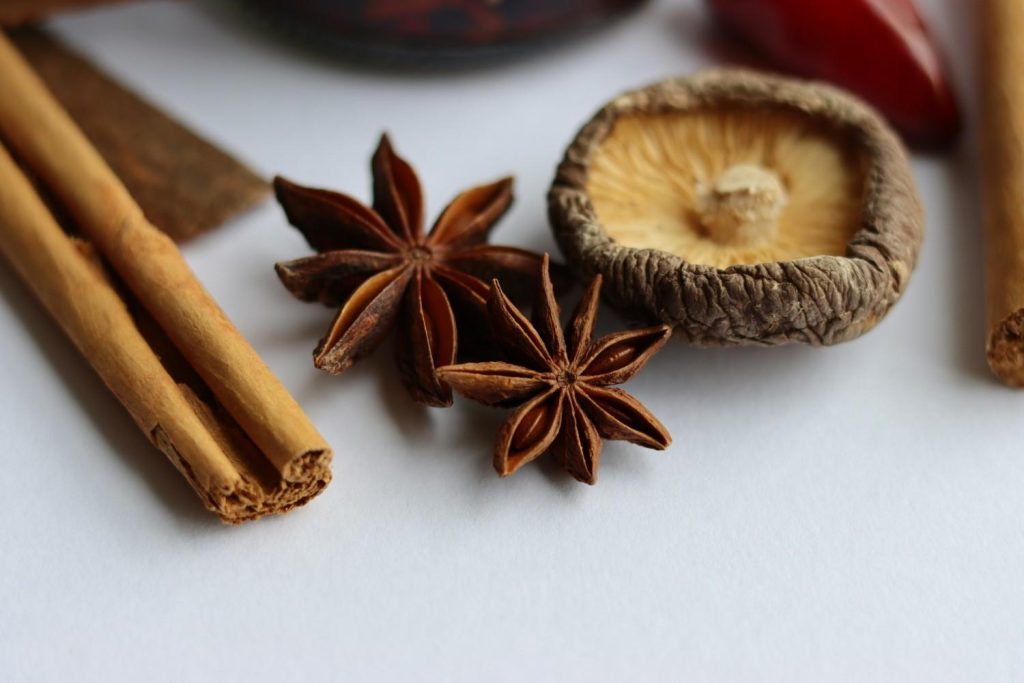
Four types of cinnamon reach most kitchens. Ceylon is the only one called “true” cinnamon. The other three are cassia varieties, and sellers often label them simply as “cinnamon.”
| Type | Botanical name | Origin | Taste | Coumarin level | Typical price |
| Ceylon (true cinnamon) | Cinnamomum verum | Sri Lanka, southern India | Mild, sweet, citrus notes | Trace (very low) | Higher |
| Cassia (Chinese) | Cinnamomum cassia | China, Vietnam | Strong, spicy, slightly bitter | High | Low |
| Indonesian (Korintje) | Cinnamomum burmannii | Indonesia | Sweet, mild-to-strong | High | Low |
| Saigon (Vietnamese) | Cinnamomum loureiroi | Very intense, sweet-hot | Highest | Medium |
Health Benefits of Cinnamon: What the Research Shows
Cinnamon shows modest, mixed benefits in studies. It works as a flavorful addition to a healthy diet, not as a treatment.
Blood sugar
Researchers have studied cinnamon most for type 2 diabetes, and results disagree. A 2023 dose-response meta-analysis pooled 15 trials with 965 adults. Cinnamon did not change HbA1c, and fasting glucose did not drop significantly overall. Fasting glucose fell in the subgroup taking 1,200 mg per day or less, but that was a secondary analysis. NCCIH says it remains unclear whether cinnamon supplements help, partly because trials often fail to state which species or plant part they tested.
Cholesterol and triglycerides
The same meta-analysis found small improvements in people with type 2 diabetes:
- LDL cholesterol dropped by about 7 mg/dL
- Triglycerides dropped by about 7 mg/dL
- HDL cholesterol rose by about 1.5 mg/dL
- Total cholesterol did not change
These changes are small, and the trials were short (6 to 16 weeks) and varied widely. Treat them as a hint, not proof.
Antioxidants and inflammation
Cinnamon contains polyphenols and cinnamaldehyde, which act as antioxidants in lab studies. Lab results do not show the same effect in your body, and large human trials on inflammation remain scarce.
What cinnamon cannot do
Cinnamon does not cure diabetes, replace medication, or lower blood sugar enough to change your treatment plan. Talk to your doctor before you take it for a health condition, especially if you use diabetes medicine, because herbs and medicines can interact.
What Is the Best Cinnamon for Health?
Ceylon cinnamon is generally the best cinnamon for health when you want to use it regularly. It has a mild, slightly sweet flavor and typically contains far less coumarin than Cassia cinnamon, making it a more suitable option for frequent consumption.
The best choice also depends on your needs. If you want cinnamon for everyday cooking, Ceylon offers a favorable safety profile. If you prefer a stronger, spicier flavor for occasional recipes, Cassia may suit your taste, provided you avoid excessive intake. Here is a quick comparison:
| Feature | Ceylon Cinnamon | Cassia Cinnamon |
| Scientific name | Cinnamomum verum | Several species, including C. cassia |
| Common name | True cinnamon | Cassia or Chinese cinnamon |
| Flavor | Mild, sweet, delicate | Strong, warm, spicy |
| Coumarin content | Generally very low | Often substantially higher |
| Best use | Regular culinary use | Occasional cooking and baking |
| Cost | Often more expensive | Often less expensive |
Coumarin levels vary by species, origin, growing conditions, and product. This comparison describes typical differences rather than guaranteeing the composition of every product.
Which Cinnamon Is Best for Blood Sugar?
Cinnamon is sometimes promoted as a natural way to lower blood sugar. However, no cinnamon variety has been conclusively established as a treatment for diabetes.
Ceylon cinnamon is a reasonable choice for people who want to use the spice regularly because it contains less coumarin. Research on blood sugar, however, has examined different cinnamon species and preparations, and the evidence does not establish Ceylon cinnamon as a superior diabetes treatment.
If your goal is blood sugar management:
- Choose Ceylon cinnamon for regular culinary use.
- Add a modest amount to unsweetened foods rather than taking large doses.
- Do not stop or reduce prescribed medication without medical advice.
- Monitor blood glucose according to your healthcare professional’s recommendations.
- Discuss supplements with your clinician, particularly if you take diabetes medication.
A healthy eating pattern, physical activity, sleep, and appropriate medical care have a much stronger foundation in diabetes management than relying on cinnamon alone.
How to Choose High-Quality Cinnamon
Choosing the right product involves more than comparing prices or selecting attractive packaging.
Check the Cinnamon Species
Look for the scientific name Cinnamomum verum or Cinnamomum zeylanicum when buying Ceylon cinnamon. A product labeled only “cinnamon” may contain Cassia or a blend of cinnamon species.
Read the Ingredient Label
Choose a product that clearly identifies its ingredients and does not contain unnecessary added sugars or flavorings if you want pure cinnamon.
For supplements, check the listed species, serving size, ingredient amounts, and any independent quality testing information.
Consider the Form
Cinnamon comes in several forms, including:
- Ground cinnamon: Convenient for everyday cooking and beverages.
- Cinnamon sticks: Useful for infusing tea, milk, soups, and stews.
- Cinnamon supplements: Concentrated products that require more caution because dosage and coumarin exposure can vary.
Neither powder nor sticks automatically guarantee better quality. The species, sourcing, storage, and product testing matter more.
Store Cinnamon Properly
Keep cinnamon in an airtight container in a cool, dry place away from direct sunlight. Proper storage helps preserve its aroma and flavor. Follow any additional storage instructions on the package.
How Much Cinnamon Is Safe to Eat Daily?
There is no universally established cinnamon dose that provides proven health benefits for everyone. The amount you can safely consume depends on the cinnamon variety, its coumarin content, your body weight, your health, and your overall dietary exposure.
For everyday cooking, use cinnamon in ordinary food quantities rather than taking large spoonfuls or concentrated supplements in pursuit of medical benefits.
If you consume cinnamon frequently, consider these precautions:
- Choose Ceylon cinnamon from a reputable supplier.
- Follow product instructions and avoid excessive quantities.
- Do not assume that all ground cinnamon has the same coumarin concentration.
- Ask a healthcare professional before using concentrated supplements regularly.
- Seek medical advice if you have liver disease or take medication that may interact with supplements.
The tolerable daily intake for coumarin applies to total exposure from all sources. It does not translate into one fixed, universally safe number of teaspoons of cinnamon.
How to Add Ceylon Cinnamon to Your Diet
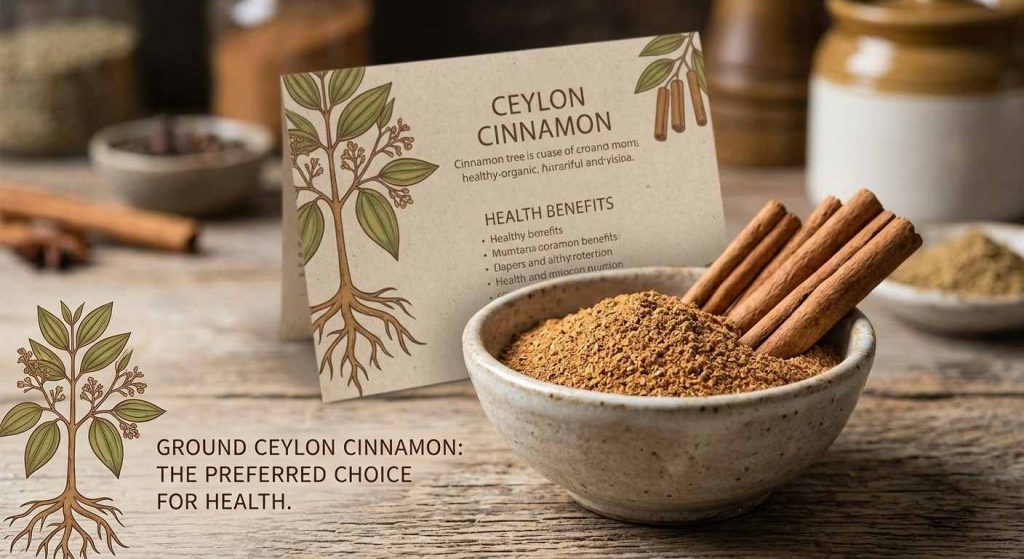
Ceylon cinnamon fits easily into everyday meals. You do not need to take large amounts to enjoy its flavor.
Cinnamon Oatmeal
Sprinkle a small amount of cinnamon over cooked oatmeal. Add fresh fruit, nuts, or seeds for extra flavor and nutritional variety.
Cinnamon Tea
Steep a cinnamon stick in hot water and allow the flavor to infuse. Avoid assuming that cinnamon tea provides the same dose or effects as a standardized supplement.
Yogurt and Smoothies
Add a light sprinkle of cinnamon to plain yogurt or a smoothie made with fruit, milk, or an unsweetened alternative.
Baked Foods
Use cinnamon to flavor baked apples, whole-grain muffins, homemade granola, and other recipes. Consider reducing added sugar when the recipe allows. These uses provide a straightforward way to include cinnamon in a balanced diet without treating it as medicine.
Easy Ways to Use Cinnamon Every Day
- Stir a half teaspoon into oatmeal, porridge, or Greek yogurt.
- Blend it into smoothies with banana or berries.
- Add it to coffee, tea or warm milk.
- Sprinkle it on roasted sweet potatoes, carrots or squash.
- Simmer a stick in rice, stews or curries, then remove it before serving.
Pairing cinnamon with protein, fiber and whole grains makes a better breakfast than sugar-heavy cinnamon rolls or cereals.
Who should be careful
Speak with a doctor or pharmacist before you use cinnamon regularly or as a supplement if you:
- Have liver disease or take medicines that affect the liver
- Take diabetes medicine, because cinnamon may add to blood sugar lowering
- Are pregnant or breastfeeding. NCCIH considers food amounts safe, but larger amounts of Ceylon cinnamon unsafe during pregnancy, and little is known about larger amounts while breastfeeding.
- Plan surgery or take blood thinners
Stop using cinnamon and call a doctor if you develop a rash, mouth sores, stomach pain, or yellowing skin or eyes.
Common Myths About Cinnamon and Health
Myth 1: Cinnamon Cures Diabetes
Cinnamon is not a proven cure for diabetes. Some studies suggest possible modest effects on blood glucose, but the evidence remains inconsistent. Continue prescribed treatment and follow your clinician’s advice.
Myth 2: All Cinnamon Types Are Equally Safe
Different cinnamon species can contain substantially different levels of coumarin. Ceylon generally contains much less than Cassia, so species identification matters for frequent use.
Myth 3: Cinnamon Burns Belly Fat
There is insufficient evidence that cinnamon directly burns belly fat or produces substantial weight loss. Healthy eating, regular physical activity, sleep, and an appropriate energy balance play more established roles in weight management.
Myth 4: More Cinnamon Means Better Results
Large amounts do not guarantee greater benefits. Excessive intake may increase the risk of adverse effects, especially when the cinnamon contains substantial coumarin.
Conclusion
Ceylon cinnamon is generally the best cinnamon for health because it contains much less coumarin than Cassia varieties. Although research suggests possible benefits for blood sugar and cholesterol, the evidence remains mixed. Choose high-quality Ceylon cinnamon, use moderate amounts, and avoid replacing prescribed treatments with supplements. Consult a healthcare professional before regular supplement use, especially if you have liver conditions.