

Learn about the best indoor workouts to do on rainy days, such as cardio, strength training, HIIT, yoga, and no-equipment workouts.
You don’t need to sign up for the gym or purchase costly equipment in order to exercise. Indoor physical exercises entail utilizing your own body weight in an effort to improve muscle endurance and strength, in addition to boosting your metabolism. Home workouts target the same muscles you use when running outdoors or exercising at a gym.
What Are the Best Indoor Exercises on a Rainy Day?
Some of the activities that one should engage in during rain and while indoors include cardiovascular activities, strength training activities, stretching activities, and core activities. The workout includes jumping jacks, high knees, bodyweight squats, lunges, push-ups, mountain climbers, glute bridges, wall squats, calf raises, and dancing.
The indoor exercises during rainy days are good since most of them do not require any equipment at all. Moreover, the level of intensity of the exercise sessions may depend on the level of experience of the person. Novices can participate in low-intensity exercise programs, but fitness buffs can opt for high-intensity or even high-impact workout sessions.
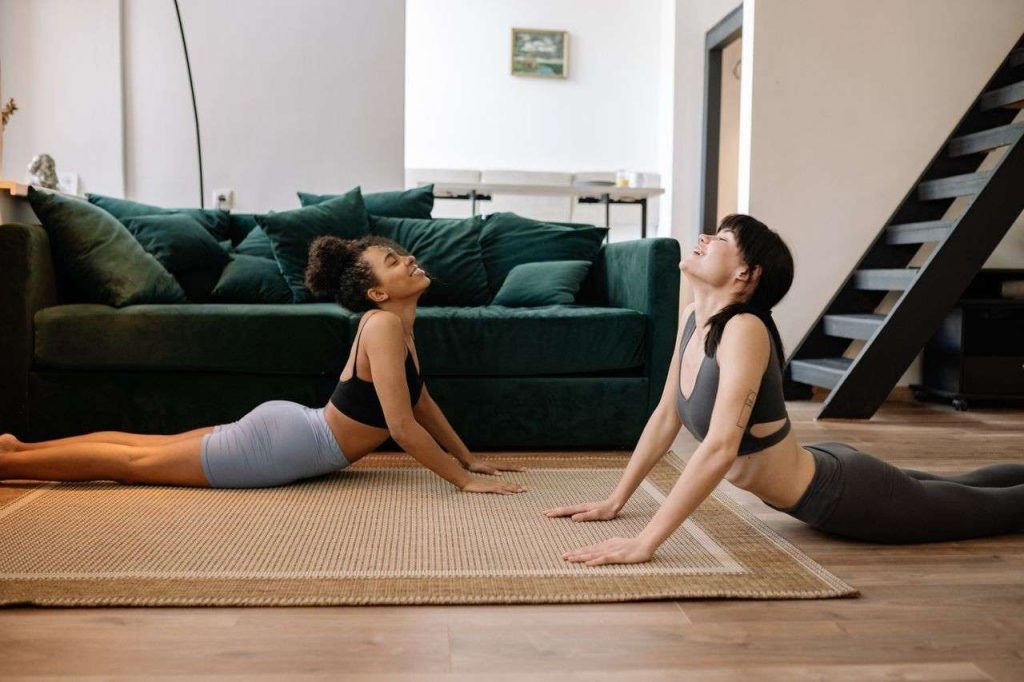
What Exercises Can You Do Indoors When It Rains?
Indoor exercises can be performed in many ways that will not interfere with the purpose of your workout program. The exercise program may include five minutes of walking, 15 squats, 10 lunges for each leg, 10 push-ups, 20 calf raises, and 20 seconds of plank.
You can do these exercises indoors in your apartment, bedroom, indoor gym, or any other comfortable indoor space. As you gain more strength, increase the repetitions of the exercises.
1. Indoor Cardio Exercises Without Equipment
Performing indoor cardio workouts is another way through which you will increase your heart rate and achieve cardiovascular health. Some forms of indoor cardio exercises that you can do include jumping jacks, high knees, dancing, mountain climbers, burpees, and fast walking indoors.
When you decide to perform an indoor cardio exercise, you must do it for 30-60 seconds and then have 15-30 seconds of rest. This cycle must be repeated a number of times.
Jumping Jacks and High Knees
Jumping jacks are an easy way to perform aerobic activity that targets the leg muscles and elevates your heart rate. High Knees increase the intensity and difficulty level of coordination.
The aerobic exercises can be done indoors without the need for any equipment. If you find jumping uncomfortable, march in place and move your arms to make a viable low-impact cardio activity.
2. Indoor Strength Training
Strength training indoors assists in retaining strength in muscles during times when outdoor activities become hard. Squats work on the lower body, while push-ups work on the chest and arm muscles, lunges on the leg muscles, and glute bridges on the hip muscles.
A bodyweight training program can include wall sits, calf raises, and planks. You can adjust the difficulty of strength training exercises by changing the number of repetitions, movement speed, and rest periods.
Full-Body Bodyweight Workout
A full-body indoor workout can include:
- 15 bodyweight squats
- 10 lunges per leg
- 8–15 push-ups
- 15 glute bridges
- 20 calf raises
- 20-second plank
- 10 mountain climbers per side
Do the circuit two to three times. This non-equipment workout can be ideal for someone who is looking for the best non-equipment workout indoors. Resistance bands, dumbbells, or any other equipment may also be added to the routine.
3. Low-Impact Exercises for Rainy Days
Low-impact exercises are most appropriate for novice exercisers, people returning to exercise, and those who prefer not to jump too much. Walking indoors, step-ups, dancing, yoga, Pilates, mobility training, and bodyweight exercises are some examples.
A workout program that you undertake at home does not necessarily have to be difficult. Movement is the key to achieving your physical activity at home.
Indoor Walking and Step-Ups
Indoor walking offers a straightforward way to stay active and increase daily movement. You can stroll safely around your home, march in place, or follow an indoor walking workout video for structured activity. The next activity, step-ups, provides an extra challenge. You should use a sturdy step and have control during movement. Do not use wobbly furniture.
4. Yoga, Pilates, and Mobility Exercises
Pilates and yoga can complement many other forms of exercise, such as cardio and strength training. Yoga provides flexibility, balance, breathing, and mobility. Pilates is used for core muscles, better posture, and endurance.
You can perform stretching exercises in your exercise regimen after your workout or during mobility training. Balance exercises will contribute to balance and coordination. Perfect for people who would like to exercise at home.
5. Fun Indoor Exercises for Adults
Exercise does not need to be boring. Dancing is one such exercise that is quite useful in increasing the rate of the heart and coordination, in addition to cardiovascular exercise. Prepare a playlist of music and dance for 15-30 minutes.
Going up and down stairs can be an effective training session for those who have access to the stairs. It includes climbing and then sprinting for a short period. The process should be stopped immediately if one experiences dizziness or unusual shortness of breath.
Sample Full-Body Indoor Workout Routine
| Exercise | Target Area | Duration/Reps | Approx. Calories Burned* |
| Jumping jacks | Cardio, full body | 3 x 30 seconds | 15–20 |
| Bodyweight squats | Legs, glutes | 3 x 15 reps | 20–25 |
| Push-ups | Chest, arms, core | 3 x 10–12 reps | 15–20 |
| Mountain climbers | Core, cardio | 3 x 30 seconds | 20–25 |
| Lunges | Legs, balance | 3 x 12 reps per leg | 20–25 |
| Plank | Core | 3 x 30–45 seconds | 10–15 |
| Glute bridges | Glutes, lower back | 3 x 15 reps | 10–15 |
| Burpees | Full body, cardio | 3 x 10 reps | 25–30 |
| Stretching | Flexibility | 5–10 minutes | — |
Consumption of calories is influenced by body weight, type of exercise, and fitness level.
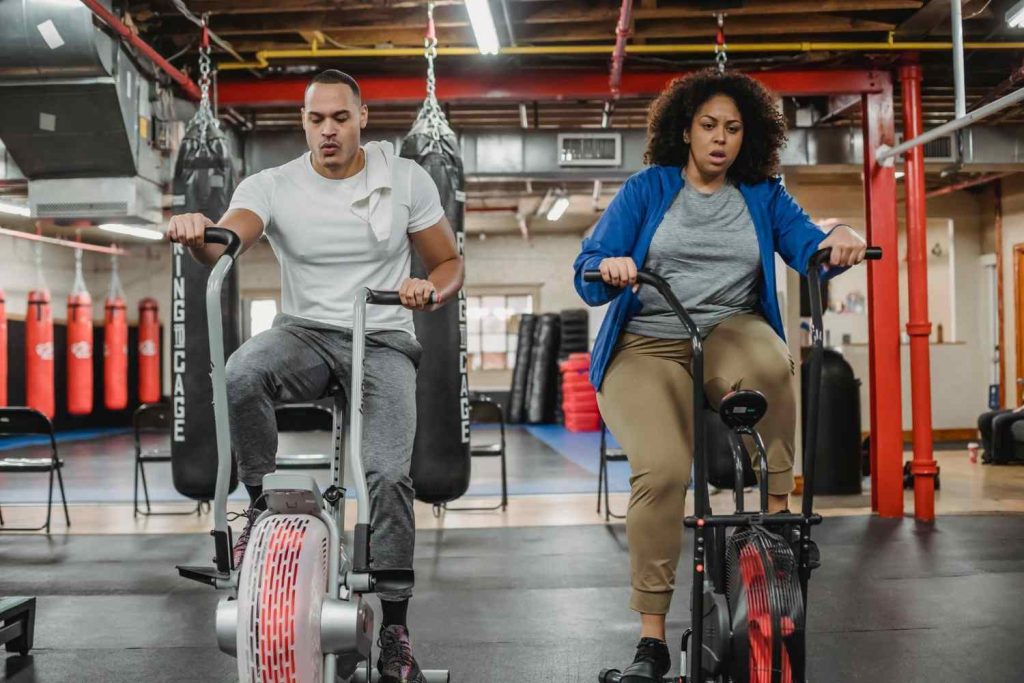
Can You Exercise Effectively Indoors?
Yes, there is a way in which one can exercise successfully from home via cardio, bodyweight, strength, flexibility, and mobility exercises. The results of your workout will depend on your goals and the level of intensity of the workout.
Most effective indoor exercise routines do not need a gym. An effective workout routine will boost your endurance, muscle strength, balance, and cardiovascular system.
Indoor HIIT Workout for More Intensity
One may select a HIIT workout in case of insufficient time. Just perform 30 seconds of exercise, rest for 30 seconds, and so on. Jumping jacks, squats, mountain climbers, high knees, and burpees should be performed five times each.
HIIT exercise routine may increase your heart rate and calories burned. In the case of being a HIIT beginner, one should start with low-impact exercises and long rest periods.
In case of planning to perform indoor exercises for calorie burning, it is important to keep in mind that calorie burning depends on body weight, exercise intensity, time of performing exercises, and fitness level.
How Can Beginners Exercise Indoors?
Indoor exercises for beginners must involve easy movements. Walking indoors, assisted squats using a chair, wall pushups, glute bridges, calf raises, and yoga may be considered.
An exercise routine for beginners inside a room can be done for 10-15 minutes. As you get more endurance, try to increase the time you spend working out. In the beginning, movement is much more important than speed.
Rainy day exercises indoors can give you sufficient exercise to maintain a routine. With better fitness, you can graduate to longer, better indoor workouts at home.
Tips for Staying Consistent With Indoor Workouts
Select a specific time of day during which you will be working out inside as a part of your daily routine. Make sure that there is no obstacle between you and the place of your workout so you can freely work out whenever you have selected to do so. Record your workouts on a daily basis either in your journal or in an application installed on your smartphone to be able to track your progress and motivate yourself to work out harder.
Are Indoor Workouts Good for Weight Management?
Yes, definitely. Indoor exercises indoors assist in controlling weight due to higher physical activity and calories burned. Remember to exercise on a regular basis along with proper dieting and enough sleep. Walking, dancing, step-ups, squats, lunges, indoor cycling, and interval training can help you stay active indoors and support weight management. Choose those exercises that you can perform on a regular basis.
Best Indoor Workout Equipment
You can start without any equipment, and then gradually build up your arsenal as required. A yoga mat will make your Pilates and planks more comfortable. Resistance bands and dumbbells will offer you variety in your strength training workouts. A treadmill, stationary bicycle, step machine, or rower will help in expanding the options for indoor cardio exercise. Your equipment must be consistent with your fitness objectives.
Conclusion
Exercise should not be affected by rainy weather. There are several indoor exercises that one can carry out and develop muscle strength, cardiovascular fitness, flexibility, balance, and endurance without having to purchase any equipment. Select exercises based on your physical fitness, create an achievable home exercise program, and remain consistent. You will have various types of exercises from which you can choose, depending on your personal preference.
Pingback: What Is a Kegel Exercise for Man? - Mtech content