

Learn what cancer screening is, why it matters, and how early detection through tests can save lives and improve treatment success rates effectively.
Cancer is a disease that causes abnormal body cells to multiply without control and spread throughout the body. The cells in this state can create tumors, which interfere with normal bodily operations.
The disease can impact nearly all body parts, which include the lungs and breast tissue, and the colon. Early detection and treatment lead to better survival rates and improved treatment results.
What is Cancer Screening?
Cancer screening is a medical process used to detect cancer or precancerous conditions in people who have no symptoms. The method helps detect diseases during their early stages, which allows for maximum treatment success.
Blood tests, imaging, and physical exams represent the standard diagnostic techniques used. The process of regular screening helps patients live longer while enabling doctors to start treatment sooner, and it serves as a major method to stop advanced cancer development.

Why Cancer Screening Is Important
Early detection is one of the best methods used in modern health care practice. Many forms of cancer develop within the body without causing any symptoms until they become well-established. Once symptoms arise, treatment becomes more complicated and less effective.
Some reasons why cancer screening is helpful include:
- It identifies cancer early
- It helps to ensure success in treating cancer
- It may even help to prevent cancer
- It leads to fewer cancer fatalities
- It requires less rigorous treatment
For instance, Breast cancer and Cervical cancer have high survival rates when identified early using cancer screening.
How Cancer Screening Works
1. Physical Examinations
Doctors use physical examinations to search for lumps and skin changes and other abnormalities that might show signs of early cancer development.
2. Imaging Tests
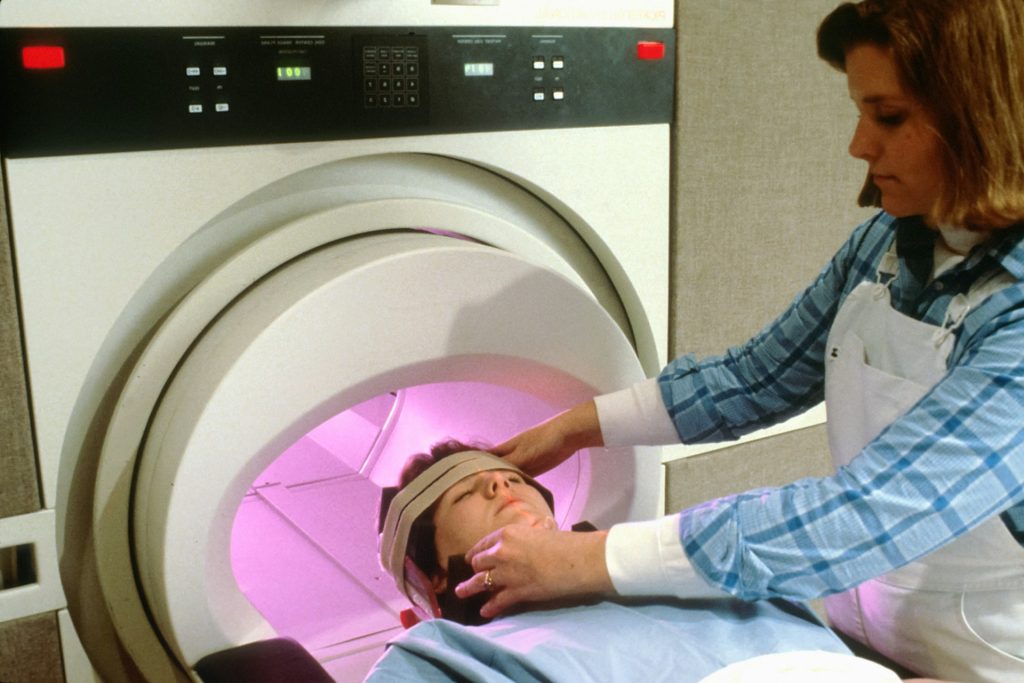
The imaging tests employ X-rays, ultrasound, MRI, CT scans, and mammography to provide clear internal organ images, which doctors use for cancer detection.
3. Laboratory Tests
The laboratory tests include blood tests, urine tests, and stool tests to identify cancer markers and hidden blood, which demonstrate the existence of a disease in its initial stages.
4. Endoscopic Procedures
Endoscopic procedures use a thin camera tube, which doctors insert into the body to perform precise examinations of internal organs such as the colon and lungs.
Benefits of Cancer Screening
There are numerous advantages associated with cancer screening tests, such as early diagnosis for simpler treatment, preventing pre-cancerous states from developing into cancer, enhanced treatment results with less severe measures being used, and lower mortality rates. Cancer screening increases the likelihood of cancer being detected early.
The Critical Role of Cancer Screenings in Early Detection
Cancer screening is an important part of early diagnosis as it can identify cancer even before its symptoms start showing up. Early diagnosis ensures greater chances of recovery and helps avoid possible problems. Cancer screening ensures the early identification of risk factors, which means earlier treatment.
Understanding Different Types of Cancer Screenings
Lung Cancer Screening
Lung cancer screening uses low-dose CT scans to detect early tumors, especially in high-risk smokers. This method increases the probability of discovering cancer in its initial stage. This method improves survival rates through earlier treatment.
Breast Cancer Screening
Breast cancer screening uses mammograms to discover breast tissue abnormalities. This process enables doctors to identify cancer in patients before any symptoms become evident.
Colorectal Cancer Screening
Colorectal cancer screening uses colonoscopy or stool tests to find polyps or cancer in the colon and rectum. This process allows for the immediate removal of cancerous growths, which stops the disease from spreading.
Cervical Cancer Screening
Cervical cancer screening uses Pap smears and HPV tests to identify early signs of abnormal cervical cells. This process enables medical professionals to deliver timely treatment, which prevents cancer from developing.
Prostate Cancer Screening
Prostate cancer screening uses PSA blood tests and physical exams to detect initial indications of prostate health issues. This process enables doctors to diagnose patients at an early stage while developing suitable treatment strategies.
Limitations of Cancer Screening
Limitations associated with cancer screening include: false positives that cause anxiety and further testing; false negatives that miss the presence of cancer; overdiagnosis of non-threatening and slowly growing cancers; and poor accessibility due to high costs and inadequate healthcare resources.
When Should You Start Cancer Screening?
Cancer screening should begin according to one’s age, risk factors, and medical history. Individuals with a history in their families might have to undergo tests earlier. Stick to the recommended age requirements and do regular screenings. Although you receive clear results, any abnormal signs should be reported immediately. Your doctor will make a customized schedule for you.
Advances in Cancer Screening Technology
There have been advancements in the techniques used in cancer screening. These include:
1. Genetic Testing
Detects genetic predisposition to cancers by analyzing DNA, which aids physicians in determining genetic mutations, risk factors, and implementing appropriate preventative measures for those with a family history.
2. Liquid Biopsy
A blood test that analyzes cancer DNA present in the bloodstream, allowing for early detection, tracking progress during treatments, and diagnosing recurrences without undergoing surgery.
3. Artificial Intelligence
Artificial intelligence is utilized to analyze medical imaging scans more effectively, which increases the accuracy of diagnoses and reduces errors by physicians.
4. Molecular Screening
The system detects cancer at its earliest stage through cellular analysis, which enables medical researchers to treat patients more effectively because they can study disease development more easily.
When Should You Start Cancer Screening?
Cancer screening should start based on the unique risk factors of each person. People who have a family history of medical problems or who present with high-risk conditions require testing at an earlier time.
Patients should follow age-based medical guidelines while maintaining their schedule of screening tests, and they should seek medical attention for any symptoms that arise despite their normal test results. Doctors create tailored screening plans for their patients.
Public Health Importance of Cancer Screening
On a broader level, cancer screening programs contribute to the reduction of the overall disease burden in society. There are various reasons why governments encourage the undertaking of cancer screening programs, including:
- Reducing health care cost
- Improving survival rates
- Raising public awareness
- Early detection of cancer in the general population
Generally, nations with effective screening programs experience fewer cancer deaths.
Conclusion
Cancer screening is an important healthcare intervention technique that enables early detection of the disease even when there are no symptoms. Cancer screening increases chances of survival and facilitates early treatment. Cancer screening, when used together with healthy living practices, can play a very significant role in ensuring good health.