

Learn what fish oil is, its omega-3 benefits for the heart, brain, eyes, and overall health, sources, side effects, and who should take it for the best results today.
Fish oil serves as a popular dietary supplement throughout the world because it provides significant benefits for heart health, brain function, and general wellness. The supplement comes from the body parts of fatty fish and contains high levels of omega-3 fatty acids, which the human body requires as essential nutrients.
What Is Fish Oil?
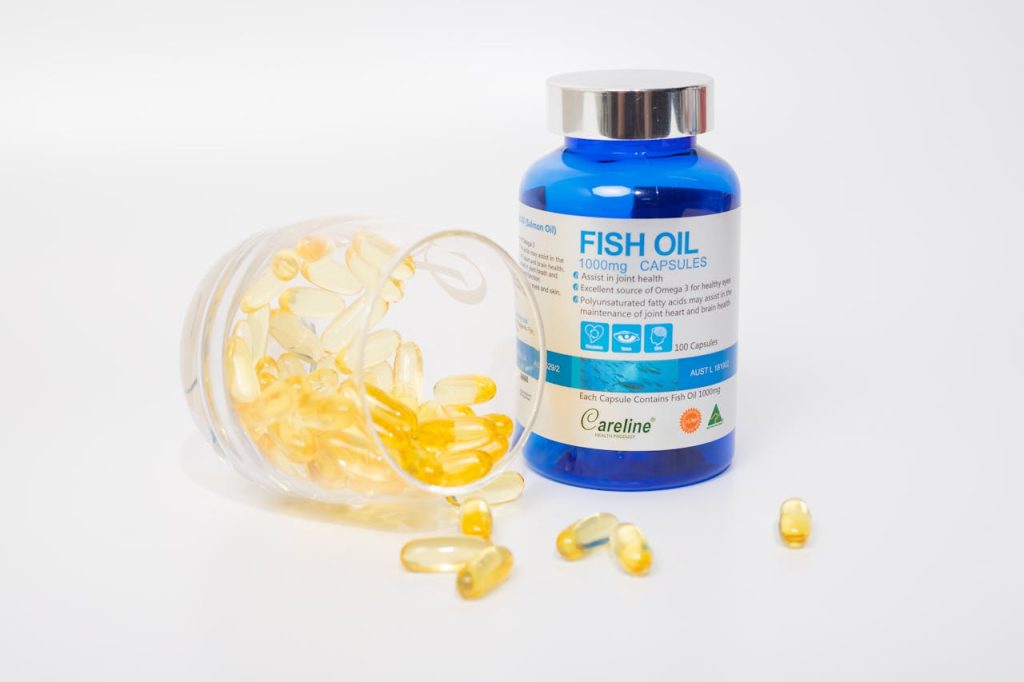
Fish oil refers to a type of oil naturally obtained from oily fish like salmon, mackerel, sardines, anchovies, and tuna. Fish oil can be taken either in capsule or liquid form.
The primary reason why fish oil is highly valued is that it consists of high levels of omega-3 fatty acids, such as:
- EPA (Eicosapentaenoic Acid)
- DHA (Docosahexaenoic Acid)
Essential fatty acids play a crucial role in maintaining proper physiological processes within the body.
Fish oil is often classified as a nutritional supplement, but in certain medical instances, it can also be used as a prescribed medication.
10 Benefits of Fish Oil
1. May support heart health
Fish oil provides omega-3 fatty acids, which help lower triglyceride levels and establish better cholesterol balance, and produce small blood pressure reductions while enhancing total heart health for extended periods.
2. May help treat certain mental health conditions
Fish oil supports brain chemistry, which helps decrease depression and anxiety symptoms. Omega-3s enable better mood control and enhance cognitive ability while delivering emotional stability and mental health advantages.
3. May support eye health
Fish oil contains DHA, which functions as a vital retinal element that helps maintain visual sharpness, alleviates dry eye symptoms, and supports ongoing eye health and complete visual system functionality.
4. May reduce inflammation
The omega-3 fatty acids found in fish oil provide a body-wide anti-inflammatory effect, which helps alleviate joint discomfort and stiffness while treating chronic inflammatory disorders, including arthritis and related conditions.
5. May support healthy skin
Fish oil promotes skin health through its ability to enhance skin moisture levels and decrease skin dryness, while its omega-3 fatty acids fight inflammation and retain moisture to treat acne and eczema conditions naturally.
6. May support pregnancy and early life
DHA from fish oil helps pregnant women by providing essential nutrients for developing the fetal brain and eye systems. It helps pregnant women maintain their healthy birth weight while their children develop cognitive skills during early childhood.
7. May reduce liver fat
Fish oil helps people with fatty liver disease by preventing fat accumulation in their livers. The substance achieves this through its ability to enhance lipid metabolism and improve liver health and metabolic function throughout the body.
8. May improve attention and hyperactivity in children
The consumption of fish oil can positively affect children who display signs of ADHD through enhancing brain function and neurotransmitter balance to improve focus, attention span, and behavior.
9. May improve asthma symptoms and allergy risk
Fish oil consumption can assist in improving the symptoms of asthma, including inflammation in the airways. Fish oil can also help reduce the chances of developing allergies by regulating immune response and preventing excessive inflammation.
10. May improve bone health
Fish oil consumption can help promote bone health through the increased absorption of calcium, reducing inflammation, and ensuring bone density, which can prevent osteoporosis and other conditions associated with weaker bones.
Good Sources of Omega-3 Fatty Acids
Omega-3 fatty acids can be obtained naturally from food rather than supplement intake alone. These include foods that are good sources of essential fats for overall well-being.
Some foods containing Omega-3s are as follows:
- Flaxseed oil: 7.3 grams per tablespoon, containing large amounts of omega-3s, promoting good health for the heart, brain, and whole body.
- Chia seeds: Ensure 5.1 grams per ounce, high in omega-3s that provide energy, digestion, and cardiac health benefits naturally.
- Cooked wild Atlantic salmon: Features 1.8 grams per 3 ounces, an effective natural omega-3 source for heart and brain functions.
- Cooked wild oysters: Contains 0.6 grams per 3 ounces, moderate in omega-3 content to promote heart and immunity functions.
- Frozen edamame: Features 0.3 grams per half cup, a natural plant omega-3 content to ensure proper nutrition.
Why is there inconsistent data on fish oil supplements?
The inconsistencies in results regarding fish oil supplementation are a result of the varying designs of research conducted, the amounts of dosage administered, the quality of the supplements used, participant health statuses, and eating habits. While some experiments use purified EPA and DHA, others use the combined form.

8 Unexpected Side Effects of Fish Oil
1. Fishy-Smelling Breath and Sweat
Natural body odor alterations from fish oil supplements lead to fishy breath and sweat because omega-3 fats undergo oxidation during their metabolic processing.
2. Fishy Aftertaste
The fishy aftertaste from fish oil capsules remains in the mouth of most people who use the product because they take it without food or because the product has a weak coating.
3. Reduced Immune Function
Excessive fish oil consumption for extended periods will lead to minor immune system suppression, which makes the body less effective at combating infections.
4. Higher Risk of Bleeding
Fish oil use results in blood thinning, which heightens the potential for bleeding to occur. This situation presents risks for patients who take anticoagulants or who need to recover from surgical procedures or injuries.
5. Headaches
Some users report headaches after taking fish oil supplements, which might happen because of their individual response to the dosage, their digestive problems, or their experience of slight blood circulation changes.
6. Digestive Symptoms
The digestive system reacts to fish oil through discomfort, which includes bloating, diarrhea, nausea, and stomach cramps that become worse with empty stomach consumption and high-dose use.
7. Heartburn
The use of fish oil leads to acid reflux and heartburn symptoms, which affect people who have sensitive stomachs or who take capsules without consuming food.
8. Increased Risk of Atrial Fibrillation
Omega-3 fish oil consumption at high dosage levels will lead to a small increase in atrial fibrillation risk, which is an irregular heartbeat condition that particularly affects older adults and heart patients.
Who Should Take Fish Oil?
Fish oil provides advantages to individuals who face heart disease risk, people who consume few fish, pregnant women who need omega-3 for their fetal brain development, and patients who need additional omega-3 because of their joint problems.
Conclusion
Fish oil provides a strong source of omega-3 fatty acids, which deliver heart and brain and overall health benefits. The medication helps people who take it regularly by decreasing their inflammation and enhancing their mental health, and improving their physical performance. The product requires proper dosage and professional guidance to establish its long-term safety and effectiveness.