
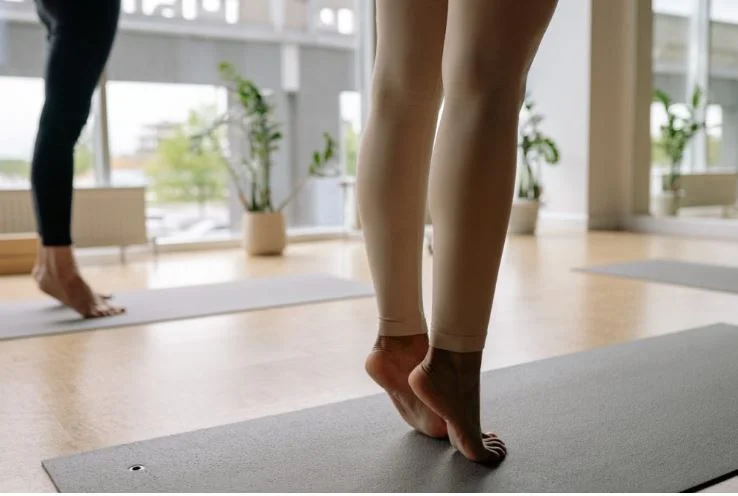
Discover the best heel pain exercises to relieve plantar fasciitis, improve flexibility, strengthen foot muscles, and support long-term recovery.
Heel pain exercises are a series of stretches and strengthening activities that help alleviate pain in the heel and promote healing from common ailments such as plantar fasciitis, Achilles tendon strain, and overuse injuries, along with supporting foot flexibility. These exercises focus on muscles, tendons, and fascia that will support the foot and restore normal movement, and reduce inflammation.
Heel pain is a very common ailment of the foot, particularly in individuals who stand for extended periods, wear the wrong shoes, or run and jump. There are certain heel pain exercises that you can do regularly to make it a lot easier to move and to stop any long-term problems.
Why Are Heel Pain Exercises Important?
A lot of people only take painkillers or just lie down. These methods can help temporarily alleviate the problem, but exercises are a way to treat the problem itself.
Heel pain exercises can help with the following:
- Reducing heel inflammation
- Improving foot flexibility
- Strengthening supporting muscles
- Increasing blood circulation
- Improving balance and stability
- Preventing recurring injuries
- Supporting long-term recovery
- Enhancing walking and athletic ability
A complete treatment plan may include regular exercise, which is often recommended by physical therapists.
Common Causes of Heel Pain
It is important to know the reason for your heel pain to select the proper exercises.
1. Plantar Fasciitis
Heel pain is most common due to. The plantar fascia is a thick band of tissue that extends from the heel to the toes. Overuse, flat feet, or tight calf muscles inflame it, leading to a stabbing sensation, particularly when you first take your first steps in the morning.
2. Achilles Tendinitis
The calf muscles join to the heel bone with the Achilles tendon. This tendon can become inflamed, which results in pain behind the heel, due to repetitive stress or tight calves, or sudden increases in physical activity.
3. Heel Spurs
Bony protuberances that grow under the heel bone. They will often be associated with plantar fasciitis and can lead to chronic aching.
4. Bursitis
Bursitis is the inflammation of the cushioning sac around the heel. It is most commonly associated with repetitive stress, overuse, or inappropriate footwear.
5. Sever’s Disease
Sever’s disease is a painful condition in the heel that develops in growing children and teenagers, which is caused by activity. The main cause is repetitive stress to the growth plate.
6. Stress Fractures
A stress fracture is a small break in the bone of the heel due to repeated impact. These are very common in people who run, athletes, and military personnel.
7. Nerve Entrapment (Tarsal Tunnel Syndrome)
Tarsal tunnel syndrome is the compression of a nerve around the ankle. It may result in a burning sensation, numbness, tingling, and pain in the heel.
Best Heel Pain Exercises: A Complete Routine
The following are the top exercises clinically supported for heel pain. Harmonious warming up before exercise and stopping when any exercise brings sharp or increasing pain. Speak with a physician before starting a new exercise regimen.
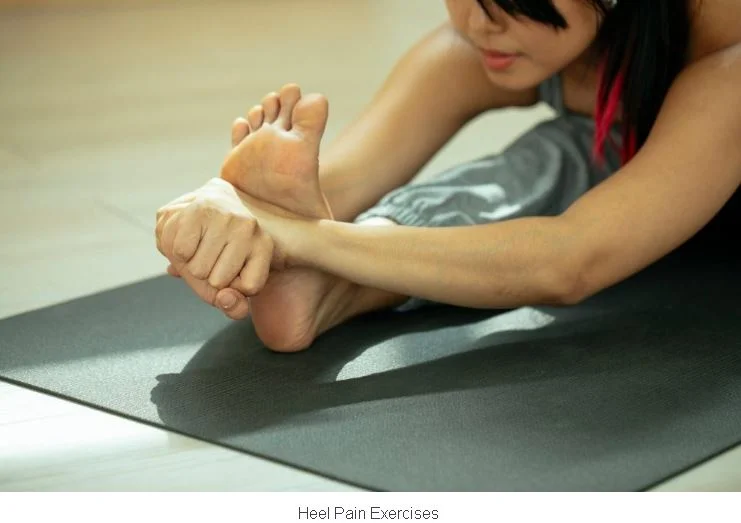
1. Plantar Fascia Stretch (Seated Toe Extension)
This stretch works on the plantar fascia and foot arch. Practicing regularly can help to decrease heel pain in the morning, increase flexibility, and ease the tension from plantar fasciitis.
2. Calf Stretch — Standing Wall Stretch
The length of the upper calf muscles is extended with the standing wall. Better flexibility of the calf decreases stress in the heel and plantar fascia, thus relieving pain.
3. Soleus Stretch (Bent-Knee Calf Stretch)
The purpose of this exercise is to stretch the deep soleus muscle under the calf. This helps to decrease tension in the Achilles tendon and increase the flexibility of the lower leg for a more supportive heel.
4. Towel or Band Stretch (Supine Foot Flexion)
Gentle stretch of the calf, achilles tendon, and plantar fascia with a towel or resistance band. It is particularly effective in decreasing the stiffness of the heel in the morning.
5. Heel Drop Stretch (Step Eccentric Stretch)
Heel drops will stretch and strengthen the calf muscles and Achilles tendon. The exercise helps to increase the resilience of the tendons and helps to keep chronic heel pain under control.
6. Towel Toe Curls
Towel toe curls help to build up the small muscles in the foot. More powerful foot muscles mean better arch support, less tension on the heel, and greater stability.
7. Marble Pickups
Toe picking stimulates intrinsic foot muscles. Simple exercise that strengthens the foot, supports the arch, and reduces heel strain.
8. Single-Leg Heel Raises (Calf Raises)
Single-leg heel raises help strengthen the calves and Achilles tendon. They help them balance, stabilize, and absorb impact to the foot.
9. Resistance Band Ankle Exercises
Using a resistance band to exercise helps to build resistance in the stabilizers of the ankle and control the joints. Improved ankle strength alleviates abnormal foot mechanics and can help prevent heel pain.
10. Short Foot Exercise (Foot Dome)
Short foot exercises are for strengthening the deep muscles that support the arches. It corrects foot alignment, minimises overpronation, and reduces stress on the plantar fascia.
11. Frozen Water Bottle Roll
When the frozen water bottle is rolled underneath the foot, it acts as a massage and cold therapy. It has anti-inflammatory properties, can relieve pain, and increase tissue mobility.
12. Golf Ball or Massage Ball Roll
A golf ball or massage ball roll will loosen the tension in the arch and plantar fascia. It enhances blood flow and is great for immediate relief of heel tightness.
13. Ankle Circles
Ankle circles will increase mobility and flexibility in the ankle joints. They are beneficial for foot and heel function, and when performed repeatedly, they help decrease stiffness and promote a better range of motion pattern.
Sample Weekly Heel Pain Exercise Program
| Day | Focus | Exercises |
| Monday | Stretch + Strengthen | Plantar fascia stretch, calf stretches, heel raises, towel curls |
| Tuesday | Mobility + Self-massage | Golf ball roll, ankle circles, resistance band exercises |
| Wednesday | Rest or light activity | Gentle walking only |
| Thursday | Stretch + Strengthen | Soleus stretch, heel drop, short foot exercise, marble pickups |
| Friday | Mobility + Strengthening | Band exercises, heel raises, plantar fascia stretch |
| Saturday | Self-massage + Stretch | Frozen bottle roll, towel stretch, calf stretches |
| Sunday | Rest | Recovery and gentle movement |
When to Do Heel Pain Exercises
- Morning routine (5-10 minutes): Stretch plantar fascia and calves before getting up in the morning. This is the one thing that can make a huge difference for anyone with plantar fasciitis.
- Throughout the day: Do stretches throughout the day, particularly after sitting for extended periods of time, 2–3 times.
- Evening routine: In the evening, muscles are warmer, and strength-building exercises and self-massage are effective.
Best exercises for heel pain in runners
Exercise 1: Toe Elevated Calf Raises
Elevated calf raises work the calf muscles, plantar fascia, and increase ankle mobility. They aid in reducing the stress on the heel and enhance running efficiency.
Exercise 2: Toe Yoga for Foot Intrinsic Strength
Yoga for the toes enhances the control and strength of the little foot muscles. More firm intrinsic muscles will afford better arch support and decrease stress on the heel.
Exercise 3: Soleus Raises
Soleus activates the deeper calf muscle used for shock absorption during running. Exercise will help make this muscle stronger, which will lead to a reduction in heel pain and increase stability.
4 Exercises to Relieve Heel Pain
1. Calf Stretch
This calf stretch will help release tension and tightness in the calf muscles, which can cause tension in the plantar fascia. For better movement, flexibility, and to alleviate heel pain, regularly stretch.
2. Foot Roll
A gentle massage of the plantar fascia is achieved by rolling the foot over a ball or frozen bottle. This exercise helps to relieve pain in the heels, increase circulation, and decrease stiffness.
3. Big Toe Stretch
The big toe-stretch increases the flexibility of the plantar fascia and foot muscles. Toe stretching will help relieve the pressure on the heel and the pain.
4. Towel Stretch
A towel stretch simultaneously stretches the calf muscles and plantar fascia. It is useful to do before getting out of bed in the morning to loosen up the stiff joint and alleviate pain in the heel.
Morning Exercises for Heel Pain & Plantar Fasciitis
1. Point and Flex Warmup
Before getting out of bed, point and flex the feet to activate the foot muscles and the plantar fascia. This soft exercise helps to alleviate morning stiffness and heel pain.
2. Belt Stretch
Stretching the foot and calf muscles with a belt or towel will increase flexibility. This exercise will decrease tension on the plantar fascia and ease discomfort.
3. Massage
Massaging gently the heel and arch aids in improving blood supply and decreasing tight tissues. Morning massage can help alleviate pain and promote flexibility and mobility.
Other Ways to Treat Morning Heel Pain
Wear a Sock Splint While You Sleep
Sock splints help the foot stay gently stretched at night. This will help to keep the plantar fascia from getting tight, and in turn help to minimize heel pain and stiffness in the morning.
Use Orthotic Inserts During the Day
An orthotic insert is an extra arch support and cushion to give the feet more support and cushion. They help in distributing the load evenly and decrease the load on your heel, while making it more comfortable at the same time.
6 Best Stretches for Heel Pain
1. Rolling Stretch
Roll your foot over a tennis ball, massage ball, or frozen water bottle. This stretch helps to release tight tissues, increase circulation, and relieve discomfort in the heel.
2. Seated Foot Stretch
Sitting, stretch the plantar fascia by slowly pulling toes toward the shin. This stretch will help to stretch and loosen your foot while providing relief for heel pain.
3. Towel Curls
Lie on the floor and use your toes to pull towards your body to place the towel on the floor. This exercise works the muscles of the foot and helps stabilize the arches of the foot.
4. Marble Pick-Ups
Use the fingers of your feet to reach marbles or small objects and put them into a container. This builds up the foot’s intrinsic muscles and foot function.
5. Heel Raise
Slowly raise heels off the ground and lower them back down. Heel raises will tighten up the calves and give the heels additional support.
6. Seated Plantar Fascia Stretch
Sit comfortably and stretch your toes upward until a stretch is felt in the arch. This stretch exercise is useful to relieve plantar fascia tightness and pain.
Common Mistakes to Avoid
Many people unknowingly slow their recovery by making these mistakes:
- Skipping warm-up stretches
- Exercising through severe pain
- Wearing unsupportive shoes
- Inconsistent exercise routines
- Ignoring calf tightness
- Returning to sports too quickly
Avoiding these habits can improve recovery outcomes.
Additional Tips for Managing Heel Pain
Along with exercises for the heels, wearing supportive footwear, keeping one’s body weight within a healthy range, avoiding standing for extended periods, and stretching is recommended. Icing after engaging in physical activities helps to minimize inflammation. Engaging in physical activities gradually without walking on hard surfaces is recommended.
When to See a Doctor
Exercises for heel pain work in most cases, but if the heel pain persists, you should see a doctor if:
- Severe pain or pain that has not been relieved after 6-8 weeks of regular exercise
- Around the heel, you feel swelling, redness, or heat.
- Pain occurs after a specific injury or trauma
- Experiencing numbness or tingling in the heel or foot.
- Pain experienced at rest and/or at night.
Diagnosis can be confirmed with imaging, orthotics, physical therapy, corticosteroid injections, or, in rare instances, surgery, as recommended by a doctor, physiotherapist, or podiatrist.
FAQs
Can Heel Pain Exercises Prevent Future Problems?
Yes. Stretches and strengthening exercises help keep foot mechanics healthy throughout the body, and help to decrease the stress on the heel. Many people do the heel pain exercise after symptoms have improved to help prevent it from happening again.
Are heel pain exercises the same for everyone?
No. The right exercises will depend on what is causing your heel pain. Your physiotherapist may create a program to meet your individual needs.
Should I stretch if my heel is very painful?
Generally, gentle stretching is good, but not forceful or aggressive if the pain is acute. Start low and go slow until symptoms improve.
Conclusion
Basically, heel pain exercises can help you decrease the pain, increase your flexibility, and build up the muscles in your feet. Regular stretching, strengthening, and mobility exercises may help alleviate plantar fasciitis and Achilles tendinitis. These exercises can be used in combination with the use of suitable footwear and professional guidance to facilitate long-term recovery.