
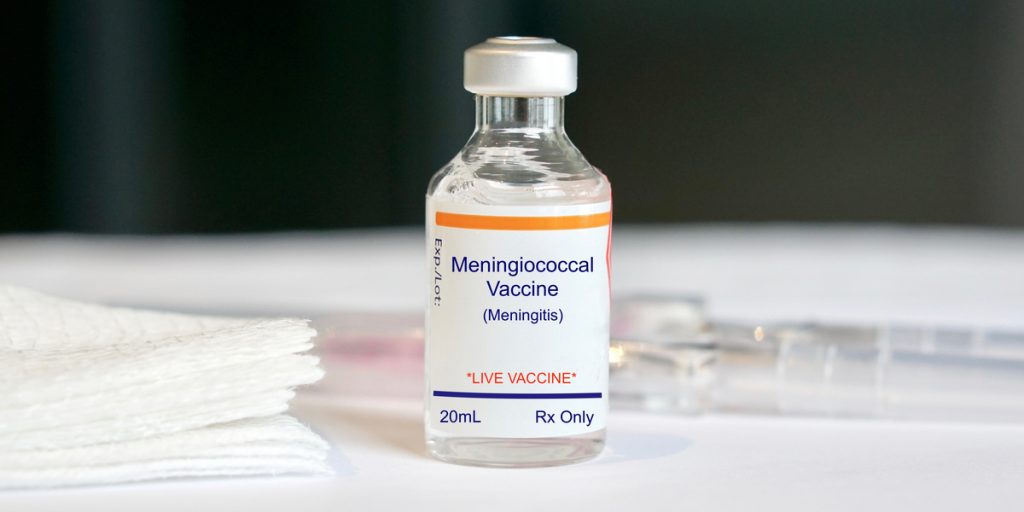
Learn what the meningitis vaccine is, its benefits, types, procedure, side effects, and who should get it to prevent life-threatening meningitis infections.
What Is Meningitis?
Meningitis is a disease that causes the inflammation of the meninges. It may occur in any age group, but babies, young people, teens, and older people are especially prone. The disease may be transmitted by coughing, sneezing, direct contact, or even by sharing utensils.
What is the Meningitis Vaccine?
A vaccine that prevents meningitis is a meningitis vaccine, which is a severe and potentially fatal infection that leads to inflammation of protective membranes (meninges) that envelop the brain and spinal cord.
Bacteria, viruses, fungi, or parasites can cause meningitis, though bacterial meningitis is the most serious type of meningitis and may result in brain damage, hearing loss, disability, or death unless treated promptly.
Vaccination is among the best methods of preventing meningitis, particularly bacterial meningitis. Meningitis vaccines assist the immune system in identifying and combating particular bacteria or viruses before they can seriously infect the body.
Types of Meningitis Vaccines
1. Meningococcal Conjugate Vaccine (MCV4)
MCV4 is used to fight four types of meningococcal (A, C, W, and Y) and encourages the body to develop a great immune response. It is advised to use on adolescents, college students, and high-risk groups.
2. Meningococcal Polysaccharide Vaccine (MPSV4)
MPSV4 also attacks four meningococcal strains (A, C, W, Y) but utilizes polysaccharides, which offer protection to the majority of older children, adults, and travelers in the area of outbreak.
3. Meningococcal B Vaccine (MenB)
Specifically, the MenB vaccine helps to protect teenagers, young adults, and high-risk groups against severe meningitis caused by bacteria of the B meningococcal strain and other complications.
Benefits of the Meningitis Vaccine
The following are the Benefits of the Meningitis Vaccine:
1. Prevention of Bacterial Meningitis:
The meningitis vaccine is particularly effective in the prevention of bacterial strains, and thus the chances of severe infection, hospitalization, long-term complications, and potentially lethal disease are considerably reduced.
2. Reduction in the Risk of Serious Complications
Vaccination is also used to avoid severe complications such as brain damage, loss of hearing, or neurological disorders, which may follow untreated or severe infections of meningitis.
3. Community Protection
Extensive immunization helps in herd immunity, which ensures those who are vulnerable, like the infants, the elderly, and immunocompromised, are not exposed to the transmission of meningitis.
4. Protection for Travel
The vaccines against meningitis are advised for those who are traveling to areas where the infection is widespread, as they can be used to prevent outbreaks and guarantee immunity on vacation.
Purposes of the Meningitis Vaccine
1. Preventing Outbreaks
The meningitis vaccine is useful in the control of the proliferation of infection in schools, colleges, and communities, minimizing the chances of massive outbreaks and safeguarding the health of people.
2. Protection for High-Risk Groups
In the same way, vaccination protects persons who are at a higher risk, such as infants, teenagers, travelers, and immunocompromised individuals, against severe cases of meningitis and other complications.
3. Requirements for International Travel
Some countries have mandatory meningitis vaccination to enter, particularly those that are likely to experience epidemics, and the travelers will be guarded and contribute to preventing the importation of the disease.
4. Public Health Awareness
Meningitis vaccination increases community awareness of the risks of infection, preventive health care, and sensitizes communities to the need to have prompt immunization.
Potential Meningitis Vaccine Side Effects: Considering Risks of Meningitis Vaccination
The side effects of meningitis vaccination are usually:
1. Chills
Some people might develop chills after vaccination, which is a transitory reaction of the immune system and is self-limiting and does not require medical care, often clearing in a few hours.
2. General Feeling of Discomfort
Some mild symptoms or discomfort may follow the meningitis vaccine, such as fatigue or achiness, which means that the immune system in the body is developing protection against infection.
3. Fever Above 100°F
Post-vaccination, a low-grade fever can occur, which is usually less than 102 o F. It is an indication of the activation of the immune system and normally heals in a day or two without complications.
4. Fainting
In some cases, one might also lose consciousness once vaccinated because of anxiety or pain, particularly among the adolescent population. Sitting during the injection and sitting after the injection assists in alleviating this risk.
5. Cough
Coughing may occur mildly in some of the recipients after the vaccine. It is also usually not associated with spranking pneumonia, and it affects the cure of its own because of the work of the immune system.
6. Nausea
Mild stomach or nausea may be experienced in the short term after vaccination. These symptoms are normally relieved without any additional treatment by taking fluids and rest.
7. Diarrhea
Side effects are mild in nature and are not common, and in most cases are short-lived, like diarrhea, which will occur as the body is responding to the vaccine as it fights meningitis.
8. Joint or Muscle Pain
Muscle or joint pain may be experienced in the short term after vaccination. This immune reaction typically heals in one to two days without the need for medication.
9. Fast Heartbeat
Other people might experience the effect of a slightly increased heart rate shortly after vaccination because the immune system is activated or the person is a little nervous. It tends to normalize fast and is not threatening.
10. Difficulty Swallowing or Breathing
Allergic reactions can be severe and result in problematic breathing or swallowing. This is uncommon, which requires urgent medical care and the emergency response.
11. Skin Rash, Hives, or Itching
After the vaccination, mild rashes oritchingh can come about temporarily. Allergic reactions are severe and unlikely to occur, but the hives should be closely monitored.
12. Skin Reddening Around the Ear
Depending on mild inflammation, localized redness around the place of injection or the ear can develop. It is generally self-limiting and does not lead to any complications.
Meningitis Vaccine Allergies and Sensitivities
1. Hives
Itchy red welts on the skin may occur abruptly, and they are evidence of a severe allergic reaction, which should be followed by medical examination and further observation of complications.
2. Swelling of the Throat or Face
Quick swelling in the areas near the throat, lips, or face may appear and may even block airways. Emergency medical care must be received to avoid life-threatening complications.
3. Difficulty Breathing
Anaphylaxis (severe allergic reaction) is detected by difficulty in breathing after the vaccination. It is necessary to save her airways and life with the help of specific medical intervention, e.g., the provision of epinephrine.
4. Dizziness
Allergic reactions are usually accompanied by severe dizziness or lightheadedness, usually due to a sudden decrease in blood pressure. Fast medical care should be received to avoid fainting or injury.
5. Fast Heartbeat
Anaphylaxis may also depend on a rapid or irregular heartbe, at, which is a reaction of the body to the severe allergy. Emergency treatment is needed to normalize cardiovascular performance.
Meningitis Vaccine Procedure
1. Pre-Vaccination Consultation
Prior to getting a vaccine, a medical practitioner will examine medical history, allergies, and risk factors to determine the right type of vaccine, dose, and schedule to be used to achieve safe and effective protection.
2. Vaccine Administration
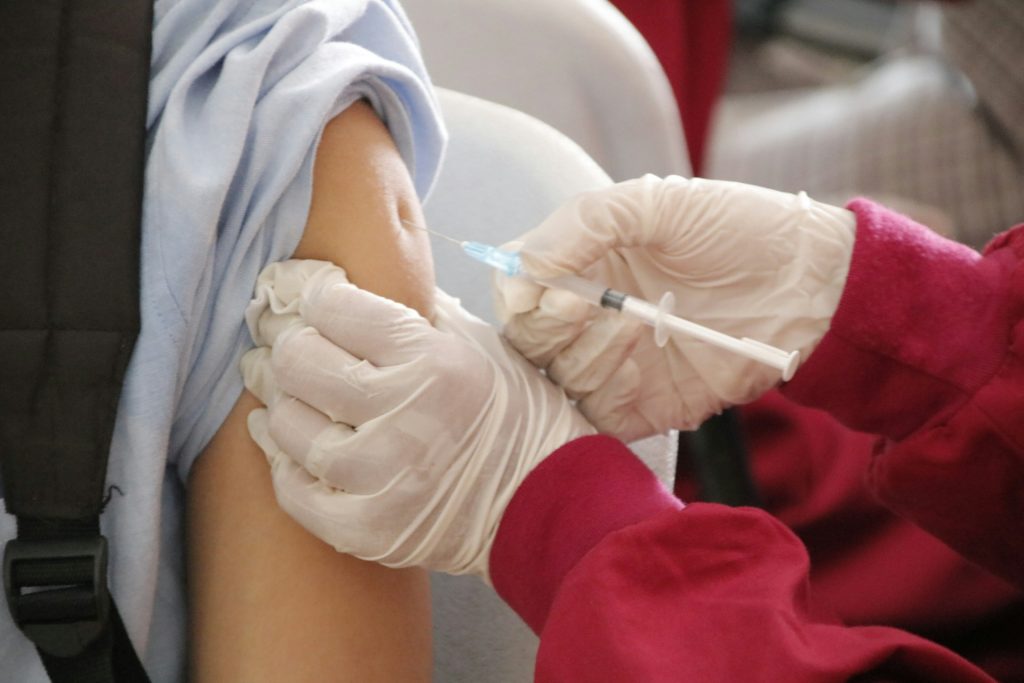
The meningitis vaccine is normally administered as an upper arm injection or thigh injection, which is administered by a trained health worker in a sterile environment.
3. Doses and Schedule
Certain meningitis vaccines have to be reimmunized with several doses or booster injections. Doctors and nurses engage in age-related regimes to guarantee lifelong insurance against infection.
4. Post-Vaccination Monitoring
Patients are closely monitored shortly after vaccination to see whether they have any immediate reactions. Mild side effects are widespread, and serious reactions are rare but need immediate care.
Importance of Vaccination
The disease of meningitis progresses to fatality within hours of its initial onset. The treated patients who survive must deal with permanent health problems. Vaccination provides strong protection and is one of the most effective public health measures against meningitis.
The implementation of routine immunization programs in different countries has led to a substantial decline in meningitis cases. The disease still has the potential to spread through outbreaks, which primarily happen in regions where vaccination rates remain low.
When Should You Get the Meningitis Vaccine?
1. In Children and Adolescents
The immunization schedule for children and teenagers includes meningitis vaccines, which they receive at 11 to 12 years and then receive booster shots to maintain their immunity.
2. When at High Risk
People who have weak immune systems and particular health issues, and those who reside in areas with a high risk of exposure, need to get vaccinated for protection against serious meningococcal diseases.
3. Before Special Events
People should get vaccinated before attending major events, which include college dormitory living and military training, because these situations create high risks for meningitis spread.
4. Under Special Conditions
Travelers who go to areas experiencing meningitis outbreaks and people who work in laboratory environments need to get vaccinated so they can protect themselves from potential infections.
Conclusion
The meningitis vaccine serves as an essential protective tool that prevents people from developing dangerous infections. The vaccine protects both individuals and communities while decreasing severe health issues and enabling secure travel. Proper vaccination procedures require both timely vaccination and knowledge about side effects, and following the established vaccination schedule.