

Learn about allied health, explore allied health professions, roles, services, career pathways, and how professionals support diagnosis, treatment, and recovery.
What Is Allied Health?
Allied health refers to a cluster of healthcare professions that help to promote the well-being of an individual in conjunction with medicine and nursing practices. Professionals practicing allied health typically undergo specialized training in one specific area of health science.
The precise definition may differ from country to country and within healthcare systems. Yet, the basic concept stays the same: Allied health professionals provide specialized knowledge in clinical practice, patient-centered care, prevention, diagnostics, treatment, and rehabilitation.
Allied health professionals’ roles may include conducting tests for diagnosis, assisting patients to move around, communicate, take care of their nutrition, or even recover from injuries. Allied Health Professionals assist Healthcare and Medical professionals while taking care of different aspects of the patient’s health.
Who Are Allied Health Professionals?
Allied health practitioners have specialized training, licenses, or certifications and offer direct or indirect health services to patients outside the conventional physician and nurse paradigm. Allied health practitioners serve as medical practitioners in many ways because many hold four-year degrees in allied health, complete residency programs, and earn board certification.
Some of the commonly known allied health practitioners are as follows:
- Physiotherapists
- Occupational Therapists
- Speech-Language Pathologists
- Medical Laboratory Scientists
- Radiological Technologists
- Respiratory Therapists
- Dieticians/Nutritionists
- Mental Health Counselors/Social Workers
This list of medical practitioners frequently works in hospitals, outpatient clinics, rehabilitation centers, schools, and other healthcare institutions to provide essential health care services on a day-to-day basis.
What Do Allied Health Professionals Do?
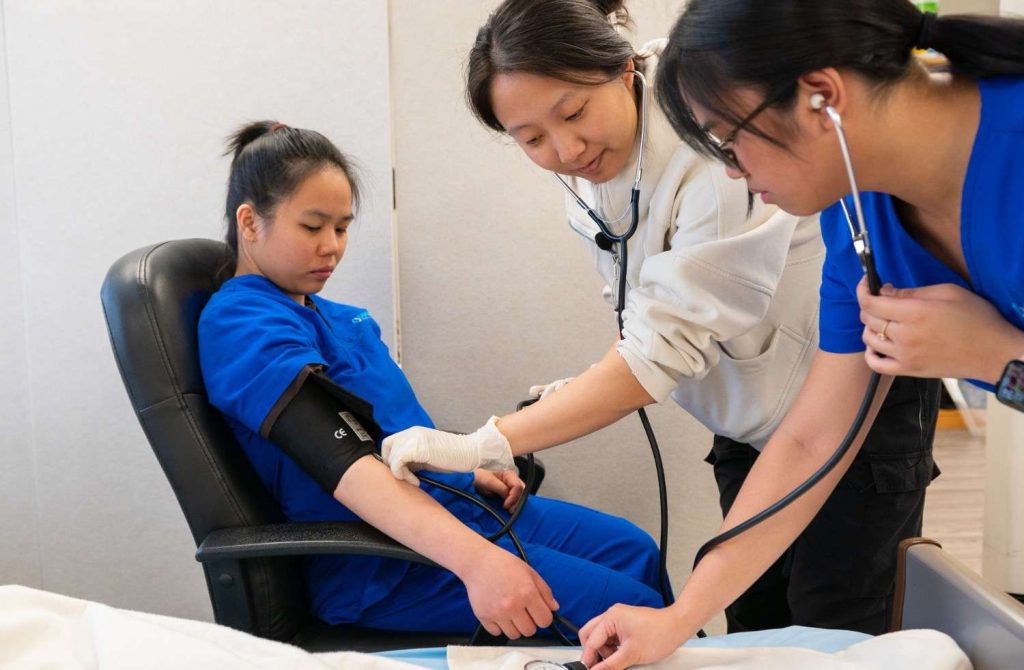
The activities of the allied health care practitioners depend on the specialties they have. There are some who specialize in diagnostic services, while others offer therapy services or rehabilitation services.
A medical laboratory practitioner, for instance, is capable of analyzing specimens to aid in the diagnosis of health issues. A radiologic practitioner may take images that would assist doctors in assessing injuries and diseases. Physical therapists can enable patients to regain mobility after injuries. Others can provide occupational therapy, speech therapy, respiratory therapy, nutrition services, or mental health therapy
Common Allied Health Professions
| Allied health profession | Main area of work | Example service |
|---|---|---|
| Physiotherapy | Movement and rehabilitation | Exercise and mobility programs |
| Occupational therapy | Daily function | Independence and functional skills |
| Speech-language pathology | Communication and swallowing | Speech and language therapy |
| Medical laboratory science | Diagnostic testing | Patient specimen analysis |
| Radiologic technology | Medical imaging | X-rays and diagnostic imaging |
| Respiratory therapy | Respiratory care | Breathing assessment and treatment |
| Dietetics | Nutrition | Individualized nutrition guidance |
| Prosthetics and orthotics | Physical support | Artificial limbs and assistive devices |
| Audiology | Hearing and balance | Hearing assessment and management |
| Mental health services | Emotional and psychological support | Assessment and therapeutic support |
The range of professions demonstrates how broad the allied health field can be. Different professionals may contribute to the same patient’s care plan according to their area of expertise.
5 Types of Allied Health Professionals
1. Primary Care Providers
- Dental hygienist: Dental hygienists are responsible for offering preventative oral care that involves cleaning the teeth, examining oral health, and educating people on how to keep their mouths healthy and free from any infections like periodontal disease and caries.
- Pharmacist: Pharmacists are the ones who prepare and distribute medicines, give instructions about the proper use of medicines, detect any drug interactions, answer medicine inquiries, and help patients handle their medication properly.
- Healthcare technician: Healthcare technicians engage in technical and clinical assistance roles, use specialized equipment, gather data, and help healthcare workers with patient examinations, observation, and care.
2. Health Promotion
- Environmental health specialist: An environmental health professional finds and lowers health dangers associated with pollution, sanitation, food safety, water quality, waste disposal, work environments, and other environmental factors.
- Health educator: Health educators offer information on healthy behaviors, prevention of diseases, nutrition, exercise, and healthy lifestyles to help people make wise decisions regarding their health.
- Dietitian or nutritionist: A dietitian or nutritionist analyzes the nutritional requirements of an individual, plans a nutritional diet, and guides an individual in proper nutrition for health maintenance, prevention, and treatment.
- Health coordinators: Health coordinators coordinate health care activities, link individuals to suitable health care services, and facilitate communications between health care providers.
3. Administrative Professionals
Administrative professionals assist healthcare organizations by providing scheduling, documentation, record keeping, communication, billing, coordination, and office administration. The activities performed by administrative professionals ensure that healthcare organizations provide patient services in an orderly manner.
4. Rehabilitative Professionals
- Art therapists: Art therapists make use of creative processes like drawing, painting, and other forms of art for emotional expression, psychological wellness, and coping purposes.
- Occupational therapists: Occupational therapists help individuals gain or recover skills required for engaging in daily tasks and activities, working, studying, and leading independent lives after illnesses, injuries, disabilities, or developmental difficulties.
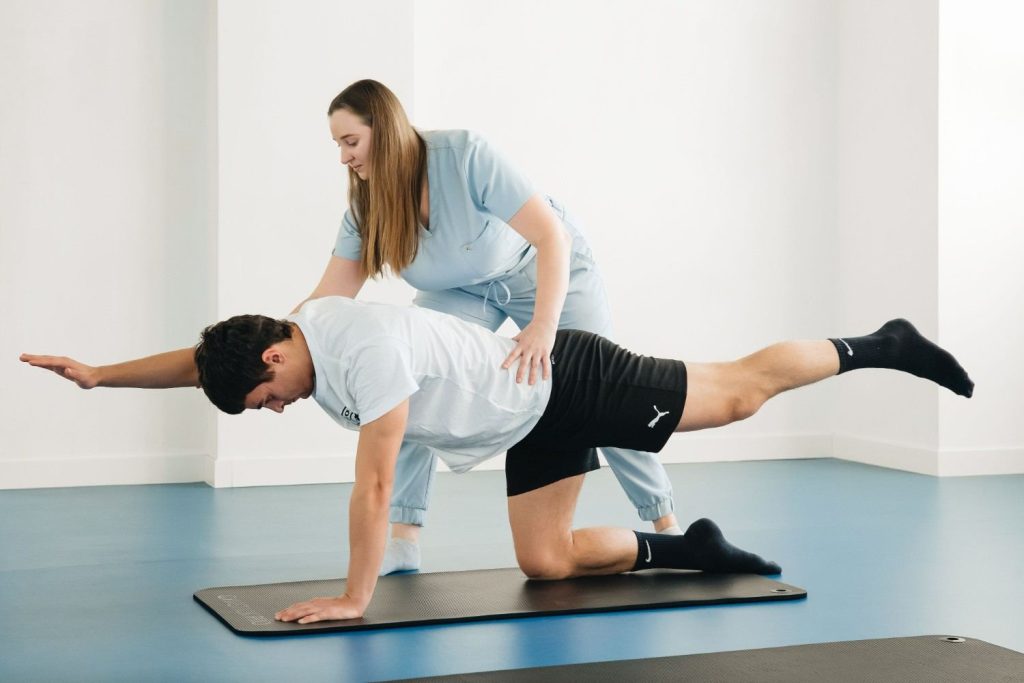
- Physiotherapists: Physiotherapists evaluate the movement and physical abilities of patients and provide exercise and manual therapy programs to enhance their mobility, strength, balance, and recovery.
- Prosthetists: Prosthetists design and manufacture artificial body parts for improving the movement and physical functioning of individuals.
5. Diagnostic Professionals
- Radiology technician: Radiology technologists work with diagnostic imaging machines, place the patients in safe positions, generate diagnostic images, and help the healthcare practitioners diagnose different medical issues.
- Ultrasound technician: The role of the ultrasound technologist is to work with ultrasound equipment to generate images of the body’s interior. The technologist prepares the patient, generates images, maintains the equipment, and helps in diagnosis.
Where Do Allied Health Professionals Work?
Allied health professionals work across many healthcare and community environments.
Hospitals and Clinics
Hospitals employ allied health professionals in diagnostic services, rehabilitation, therapy, nutrition, respiratory care, laboratory services, and other specialties. Clinics may also employ or collaborate with allied health practitioners to provide outpatient care.
Private Practices
Some professionals work in independent or group practices. Physiotherapy, occupational therapy, speech therapy, dietetics, audiology, and other specialties may operate through private healthcare practices, depending on local regulations.
Rehabilitation Centers
Rehabilitation centers often bring multiple professionals together to help patients regain physical, cognitive, communication, or daily living skills.
Schools and Community Settings
Some allied health professionals support children and adults in schools, community programs, home-based care, and public health settings.
Laboratories and Diagnostic Centers
Medical laboratory scientists, radiologic professionals, sonographers, and other diagnostic specialists may work in laboratories, imaging centers, hospitals, and specialized diagnostic facilities.
Allied Health vs. Doctors and Nurses
Allied health professionals, physicians, and nurses have different education pathways, scopes of practice, and responsibilities. Their roles often overlap in collaborative healthcare but remain professionally distinct.
| Healthcare role | Typical focus | Example contribution |
|---|---|---|
| Physician | Medical diagnosis and treatment | Medical assessment and treatment planning |
| Nurse | Nursing care and monitoring | Patient support, monitoring, and education |
| Physiotherapist | Movement and physical function | Mobility and rehabilitation |
| Occupational therapist | Functional independence | Daily living and occupational skills |
| Speech-language pathologist | Communication and swallowing | Speech, language, and swallowing support |
| Laboratory professional | Diagnostic testing | Laboratory analysis |
| Radiologic professional | Medical imaging | Diagnostic imaging |
| Dietitian | Nutrition | Nutrition assessment and dietary planning |
No single profession covers every aspect of patient care. Healthcare teams often combine different areas of expertise to address a person’s clinical, functional, nutritional, communication, and social needs.
Allied Health Career Pathways
A lot of career paths in allied health exist for individuals who have an interest in healthcare but do not wish to enter into a physician’s or nurse’s career path. One’s career may consist of hands-on patient care, diagnostics, rehabilitating patients, nutrition, lab sciences, imaging, respiratory therapy, and other specializations.
The healthcare industry relies on these professionals to attend to their patients’ needs. Therefore, allied health offers different kinds of healthcare career opportunities for students and career changers.
Individuals thinking about pursuing a career in medicine should do research on the education, clinical requirements, licensing, job outlook, and scope of practice of their selected field.
Benefits of a Multidisciplinary Healthcare Team
A good healthcare team is comprised of various specialties coming together in one place. Information relevant to their specialty can be shared by allied health professionals with physicians, nurses, and therapists. This can aid in the following:
- Enhanced coordination of care
- Comprehensive assessment
- Tailored treatment plan
- Rehabilitation
- Educating the patient
- Preventive care
- Continuity of care
The role played by allied health care professionals is especially relevant in situations where the needs of the patients are complex and require many types of assistance.
Allied Health and Patient-Centered Care
Patient-centered care is a current trend in healthcare which involves paying attention to a patient’s objectives, needs, values, preferences, and context as opposed to being diagnosis-centered.
Allied health care workers can help in that through assessing the functional needs of the patient, informing them about different treatment options, developing a plan for rehabilitation, and educating patients about how they can cope with certain things about their health.
For instance, a physical therapist can assist in setting realistic mobility goals, while an occupational therapist may concentrate on activities of daily living. A dietitian may take care of the nutritional aspect, while a speech therapist may deal with communication. It is an effective way of improving clinical practice and providing improved healthcare.
Allied Health and Multidisciplinary Care
Multidisciplinary care brings professionals from different disciplines together around patient needs. Consider a person recovering from a major injury. The care team may include a physician, nurse, physiotherapist, occupational therapist, psychologist, dietitian, and social worker. Each professional contributes a different area of expertise. This approach can help address:
- Physical function
- Mental wellbeing
- Nutrition
- Communication
- Daily activities
- Medication needs
- Social circumstances
- Return-to-work goals
- Long-term rehabilitation
WHO describes health and care workers as essential to functioning health systems and includes rehabilitation specialists and social workers within the broader health workforce.
FAQs
Are allied health professionals doctors?
No, allied health professionals are healthcare specialists who work with other healthcare professionals like doctors and nurses, among others. The scope of work and education of allied health professionals depends on their specific field.
Why are allied health professionals important?
They bring a specialized contribution in the areas of diagnosis, treatment, rehabilitation, prevention, among others, which makes them very valuable in the medical field.
Is allied health a good career choice?
Allied health provides diverse allied healthcare career choices, practical healthcare positions, and the chance to work either with patients or in diagnostic or support positions.
Conclusion
Allied health supports modern healthcare through specialized expertise in diagnosis, treatment, rehabilitation, prevention, nutrition, therapy, and patient care. Allied health professionals work alongside doctors, nurses, and other healthcare specialists to address different patient needs. Their services improve mobility, communication, recovery, independence, and overall well-being. The field also offers diverse career opportunities for students and professionals interested in healthcare, clinical practice, diagnostics, rehabilitation, and community-based health services.