
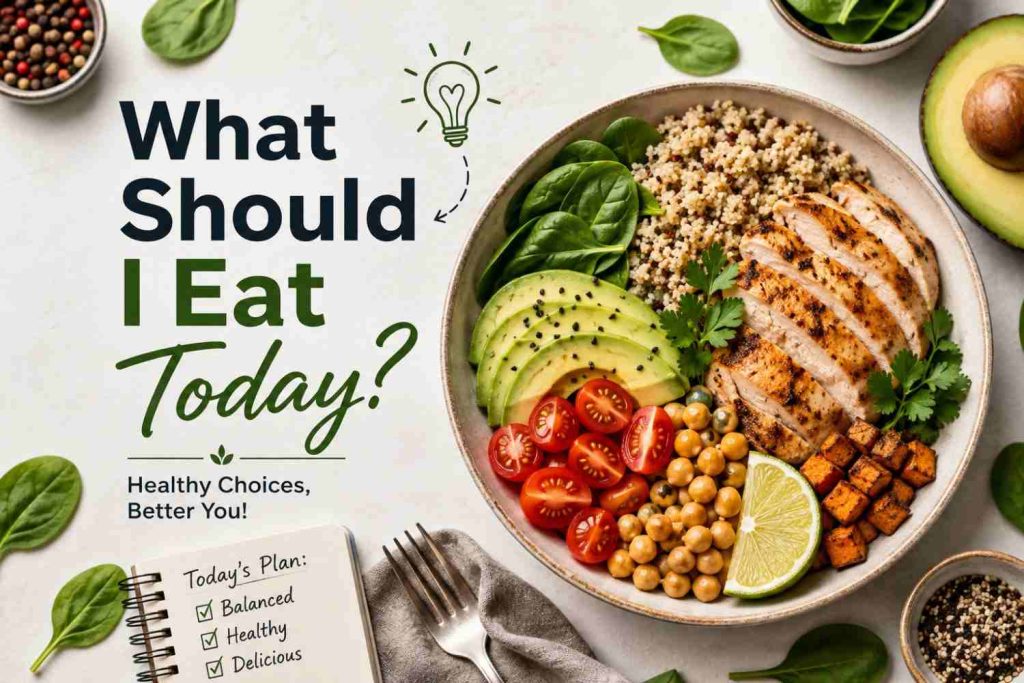
Wondering what should I eat today? Discover simple, healthy breakfast, lunch, dinner, and snack ideas with balanced foods, protein, vegetables, and whole grains.
Eating is defined as the action of ingesting food through the mouth by chewing it and swallowing it for nourishment and energy. By eating, we get all the vital nutrients, including proteins, carbohydrates, fats, vitamins, and minerals. In addition to being biological, eating is also an activity that is both social and cultural, involving people like family members and friends. To eat healthily, one should choose foods that are well balanced with enough nutrients.
What Should I Eat Today for a Balanced Diet?
If you ask what to eat today, it is good to begin with the construction of your plate using various food groups. The foods that you will add to your plate include proteins, vegetables, fruits, whole grains, and healthy fats. This method will give you balanced meals.
Healthy food options consist of eggs, beans, lentils, chicken, fish, oats, brown rice, vegetables, fruits, yogurt, nuts, and seeds. Nutrient-rich foods can supply the body with vitamins, minerals, fiber, and healthy fats.
Your daily nutrition plan does not need to be complicated. For example:
- Protein: eggs, chicken, fish, lentils, beans, or tofu
- Whole grains: oats, brown rice, whole-grain bread, or quinoa
- Fresh vegetables: spinach, carrots, tomatoes, cucumber, broccoli, or peppers
- Fruits and berries: apples, bananas, oranges, strawberries, or blueberries
- Healthy fats: nuts, seeds, avocado, and olive oil
- Fluids: water, milk, or unsweetened drinks
These balanced diet meals may also be tailored depending on your appetite and lifestyle.
Healthy Breakfast Ideas for Today
A nutritious breakfast may assist you in beginning your day with consistent energy. Here are some practical healthy breakfast options:
- Scrambled eggs with whole-grain bread and veggies
- Oats with fruits and berries, nuts, and seeds
- Greek yogurt with berries and a little low-sugar granola
- Omelet with vegetables and avocado
- Whole-grain bread with peanut butter and banana
The combination of protein-based foods, whole grains, and fruits and berries is included. In addition, oats, whole-grain bread, and fruits contain dietary fiber, which may help with satiety and digestion.
In case you have a hectic schedule in the morning, overnight oats or a fruit and yogurt mixture will make a healthy breakfast. This is a good meal idea for those days that you are busy.
Remember that meal timing does not have to be the same for everybody. Pick a breakfast time that suits your schedule and your appetite.
Healthy Lunch Ideas That Keep You Satisfied
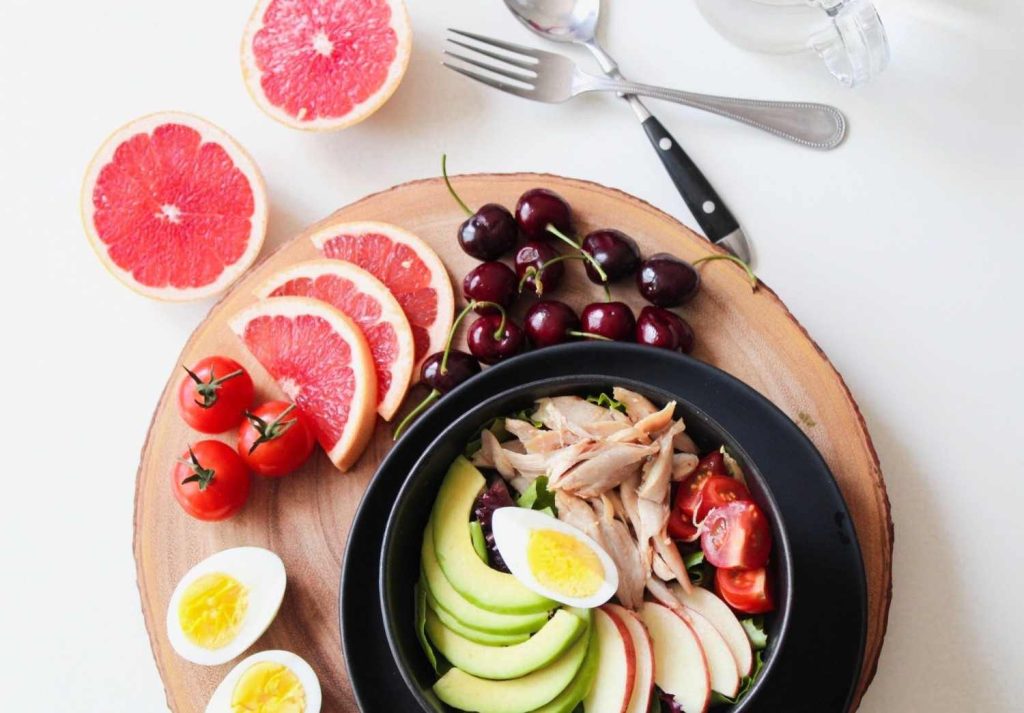
For lunch, plan a meal based on lean protein, veggies, whole grains, and healthy fats. Some healthy lunch meal suggestions could be:
- Grilled chicken with brown rice and veggies
- Tuna and veggie sandwich made from whole-grain bread
- Vegetables, lentils, and avocado bowl
- Cucumber, chickpea, tomato salad with olive oil dressing
- Quinoa, fish, and vegetables
These dishes supply balanced nutrition with the help of protein, fiber, vitamins, minerals, and carbohydrates.
For vegetarians, beans, lentils, chickpeas, tofu, eggs, and dairy products are some of the foods they can consider. This way, they can be able to make good high-protein meals without using meat.
When looking for easy meal ideas, cook up a big batch of rice, quinoa, beans, or roasted veggies beforehand. This will save you some time during the week and help avoid relying on unhealthy food options.
Healthy Dinner Ideas: What to Have for Dinner?
If you are wondering what should be on your plate for dinner, the simpler the better. An excellent guideline is protein plus veggies plus whole grain or some other source of complex carbohydrates. Some suggestions for healthy dinners are:
- Baked salmon, veggies, and brown rice
- Grilled chicken, veggies, and quinoa
- Lentil curry, veggies, and whole-grain roti
- Grilled tofu, veggies, and brown rice
- Vegetable and bean soup, veggies, and whole-grain bread
These meals can be used for any of the many healthy diet plans. The fish, chicken, tofu, lentils, and beans offer lean proteins or plant-based proteins, while the vegetables offer essential micronutrients.
To improve food choices and eat healthy, cut down on meals containing excess amounts of added sugars, sodium, or processed components. It is possible to continue eating your favorite dishes because you have to develop a sustainable dietary habit and not restrict yourself needlessly.
What Foods Should You Eat Today?
The ideal food sources today are foods that have various nutrients. These are:
- Proteins like eggs, fish, chicken, legumes, lentils, and tofu
- Whole grains like oats, brown rice, quinoa, and whole-grain bread
- Vegetables like spinach, carrots, broccoli, tomato, and bell pepper
- Fruits and berries like apples, oranges, bananas, strawberries, and blueberry
- Healthy fats from nuts and seeds, avocado, and olive oil
These are healthy foods that help achieve balanced nutrition when eaten in appropriate amounts. You should try to eat various colors of vegetables and fruits each week. It will not only make eating more interesting but also allow you to get various vitamins, minerals, and antioxidants.
Healthy Snacks Between Meals
Sometimes a snack is not necessary, but there can be a place for healthy snacks if you feel like eating something between meals. Some examples of good healthy snacks are:
- apple and peanut butter
- Greek yogurt with berries
- handful of nuts
- carrots and cucumber with hummus
- boiled eggs
- fruit
- air-popped popcorn
Pick snacks according to your hunger, level of physical activity, and overall meal plan. You might not require snacks if your meals offer plenty of food for you.
Those who rely on meal planning suggestions can make choosing nutritious food products easier while working or traveling by planning snacks ahead of time.
How to Build a Healthy Meal Plan
A simple nutritional meal plan can simplify the decision-making process concerning the choice of meals. Begin with a plan for breakfast, lunch, dinner, and, optionally, snacks.
Breakfast
Have your breakfast with oatmeal, fruits, Greek yogurt, and nuts. This meal choice will give you protein, fiber, fats, vitamins, and energy that will help you to have balanced nutrition during the day.
Lunch
Select grilled chicken with brown rice, spinach, cucumbers, and olive oil. This nutritious meal will give you protein, grains, fresh vegetables, and fatty acids that you need during the day.
Snack
Treat yourself to an apple and a small portion of peanut butter as a snack whenever you get hungry during the day. You will get fiber, good fats, and protein without any difficulty in preparation.
Dinner
Dinner will be fish baked with roasted vegetables and quinoa. These foods provide a well-balanced diet containing lean proteins, complex carbohydrates, dietary fiber, vitamins, minerals, and healthy fats.
Quick and Easy Meal Ideas for Busy Days
With a busy schedule, making healthy choices is difficult. Luckily for us, fast and simple meals require few ingredients. Oatmeal and fruit with nuts are good for breakfast. Chicken or chickpea grain bowls will serve for lunch. Dinner time? Make a vegetable stir-fry with tofu or chicken.
The fast, healthy meals described above can be made out of the ingredients you have on hand in your house. Frozen vegetables, canned beans, eggs, oats, rice, and canned tuna are all great options.
Batch cooking is another approach that will be helpful. Cook several batches of protein, grains, and vegetables at the start of the week. This way, you will be able to come up with various meals for each day by combining those batches differently.
Protein, Carbohydrates, and Healthy Fats
There is more to a balanced diet than just protein. Energy from complex carbohydrates can be derived from sources such as oats, potatoes, beans, brown rice, and whole grains. Healthy fats from foods such as avocado, nuts, seeds, and olive oil can add to a balanced diet.
Foods that are high in dietary fiber include vegetables, fruits, beans, whole grains, nuts, and seeds. Adding fiber-rich foods to your daily meals can assist you with good digestion and feeling fuller.
Opt for low-sugar foods. This is especially important when choosing packaged foods such as snacks, cereals, yogurt, and beverages. This is due to the fact that even healthy food can have added sugars.
Nutritionally speaking, a meal that contains nutrient-dense foods is usually more nutritious than a meal that is primarily a source of calories without a lot of nutrients.

Don’t Forget Portion Size, Hydration, and Meal Timing
Nutrition isn’t only about the food on your plate but also about the amount and timing. Here are some nutrition factors that aren’t mentioned frequently enough:
- The portion size is also an important consideration when dealing with healthy foods; consuming too much, even healthy products, means additional calories consumed.
- Water and hunger: sometimes people mistake their body’s need for water for the need for food; try drinking water before you choose your food today.
- Proper meal timing: consuming meals at consistent intervals of time (about every 3 to 5 hours) is helpful for maintaining proper blood sugar and energy balance.
- Planning your day based on breakfast, lunch, dinner, and healthy snacks is more effective than fasting and binge eating.
How to Decide What to Eat Today
If you still wonder what you should eat today, use this quick checklist:
- Choose a source of protein.
- Include fresh vegetables or fruits.
- Pick either whole grains or other complex carbs.
- Have a good source of fat.
- Make sure that you drink sufficient amounts of water.
- Change the portion depending on hunger and personal requirements.
- Eat the foods you like to stick to the diet more easily.
What are some easy meal ideas for today?
Eggs served with whole-grain toast, oatmeal with fruit, chicken and rice bowls, lentil soup, vegetable wraps, berries with yogurt, and tofu stir-fry are all useful and easy meals to consider.
What should I eat today if I do not eat meat?
Experiment with various vegetarian food choices like lentils, beans, chickpeas, tofu, tempeh, eggs, yogurt, quinoa, vegetables, and whole grains.
How can I make healthy food choices every day?
Prepare some meals in advance, have access to nutritious ingredients, vary the food groups, eat appropriate quantities, stay hydrated by drinking enough water, and eat according to your nutritional requirements.
Conclusion
Knowing what I should eat today need not be difficult. Select balanced meals that include lean proteins, whole grains, fresh vegetables, fruits, healthy fats, and water. Select simple meals of breakfast, lunch, dinner, and healthy snacks based on your level of hunger and your schedule. Concentrate on serving size, variety, and nutritious food options instead of restricting yourself. Healthy eating becomes easier and more sustainable with the help of practical meal planning.