Are mushrooms good for health? Discover 7 benefits, key nutrients, vitamin D, gut and immune support, healthy varieties, serving tips, and safety advice.
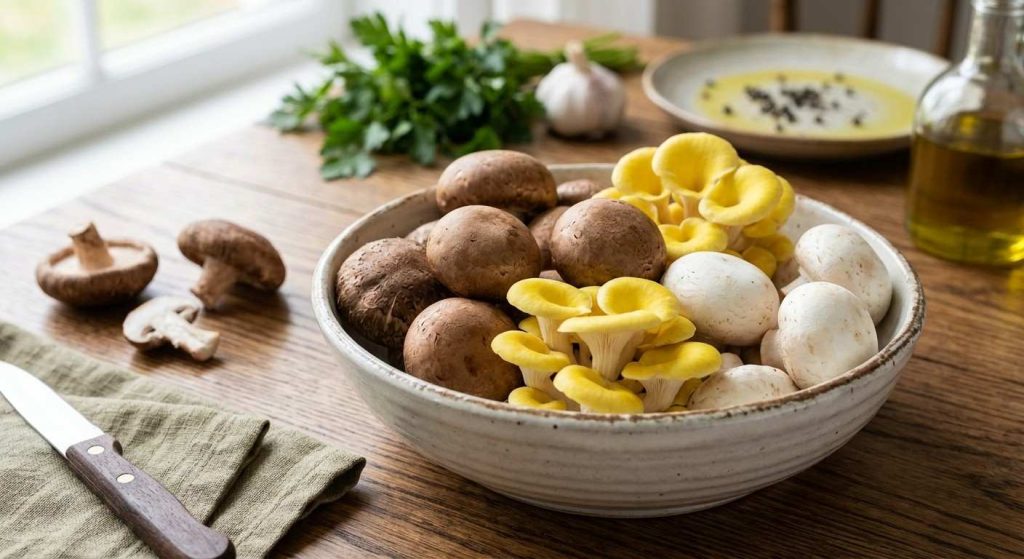
Mushrooms are fungi that can be eaten and are found in the soil, wood, or other organic matter. Although they are not plants, they are usually classified as vegetables according to nutritional recommendations. Popular types of mushrooms include button, cremini, portobello, shiitake, oyster, and maitake mushrooms. Mushrooms contain B vitamins, selenium, potassium, fiber, antioxidants, and protein.
7 Health Benefits of Mushrooms
1. Decrease the Risk of Cancer
Mushrooms are foods rich in antioxidants and other compounds that have protective effects on cells against oxidative stress. Consumption of mushrooms in your balanced diet is a great way to improve your health and cell functions.
2. Lower Sodium Intake
Fresh mushrooms do not naturally have much sodium content, so mushrooms can be an ideal food to make tasty dishes with. Using mushrooms instead of foods with high sodium content is one way of reducing sodium consumption without compromising the texture and taste.
3. Promote Lower Cholesterol
Fungi such as mushrooms contain fiber and beta-glucans, among others, which might help maintain healthy cholesterol levels. Adding mushrooms to balanced meals can go hand-in-hand with heart-healthy nutritional habits.
4. Protect Brain Health
Fungi such as mushrooms contain antioxidants and nutrients that help sustain optimal cellular activity. Some types of fungi contain ergothioneine, a compound that may help protect cells from oxidative damage and promote optimal brain function.
5. Provide a Source of Vitamin D
Mushrooms exposed to UV rays may have vitamin D2, which is very useful for bone growth and proper functioning of the immune system. One can find mushrooms that have been treated with ultraviolet rays by checking their packaging labels.
6. Stimulate a Healthier Gut
Mushrooms have dietary fiber and beta-glucans that may promote the development of good gut flora. Consuming mushrooms with different meals may be helpful for the development of a healthy microbiome in the body.
7. Support a Healthy Immune System
Mushrooms include elements like selenium, beta-glucans, copper, and others, which contribute to the proper functioning of the immune system. It is recommended to consume mushrooms along with other foods to get the necessary nutrients.
Are Mushrooms Good for Health?
Of course, mushrooms are beneficial to one’s health. The benefits of eating mushrooms include getting extra fiber, protein, B vitamins, selenium, potassium, and antioxidants from meals, while adding only a few calories.
Eating mushrooms regularly may support cardiovascular health, immune function, a healthy gut microbiome, and healthy blood glucose levels. Nutritional studies and observational research support many of these findings, and people should include mushrooms in a balanced diet rather than consider them a cure-all.
Key takeaways:
- A serving of raw white mushrooms contains approximately 15 calories.
- Mushrooms contain selenium, B vitamins, copper, potassium, and ergothioneine, which is an antioxidant.
- Mushrooms treated with UV light are one of the few plant-based sources of vitamin D.
- Store-bought mushrooms that are cooked are safe for most people. Mushrooms found in nature can cause death if not correctly identified.
- A realistic goal would be eating 1 to 2 cups per week.
What Makes Mushrooms Healthy? Nutrition Facts
Mushrooms are fungi, yet they are considered vegetables in nutritional recommendations. They are low in calories and fat and have zero cholesterol. Mushrooms also include substances that you don’t usually get from other plants. According to the data provided by the USDA, 100 grams of raw white button mushrooms (about 1.5 cups sliced) contain approximately:
| Nutrient | Approximate amount per 100 g |
| Calories | 22 |
| Protein | 3 g |
| Carbohydrates | 3 g |
| Fiber | 1 g |
| Potassium | 318 mg |
| Niacin (B3) | 3.6 mg |
| Riboflavin (B2) | 0.4 mg |
| Selenium | 9 mcg |
The values will depend on the variety, environmental factors, and preparation process. Use the USDA FoodData Central online resource to see specific information about the kind you purchase.
Key Nutrients in Mushrooms
- B vitamins: Riboflavin, niacin, and pantothenic acid help convert carbohydrates, fats, and proteins from food into energy while supporting normal cellular metabolism and overall body function.
- Selenium: Selenium supports normal thyroid function and helps the immune system work properly. It also contributes to antioxidant defenses that protect cells from oxidative stress.
- Potassium: Potassium helps maintain healthy blood pressure, supports normal muscle contractions, and contributes to proper nerve signaling. Mushrooms can provide this important electrolyte in everyday meals.
- Copper: Copper supports red blood cell formation, connective tissue development, and normal nervous system function. Mushrooms provide copper, which helps the body maintain several essential physiological processes.
- Vitamin D: Mushrooms exposed to sunlight or ultraviolet light can provide vitamin D2. Check product labels for mushrooms specifically treated with UV light to increase their vitamin D content.
- Ergothioneine and glutathione: These naturally occurring antioxidants help protect cells from oxidative stress. Mushrooms are notable dietary sources of ergothioneine, a sulfur-containing antioxidant found in many mushroom varieties.
- Beta-glucans: Beta-glucans are beneficial fibers found in mushrooms that can support healthy gut bacteria. They may also contribute to normal immune function and overall digestive health.
Which Mushrooms Are Healthiest?
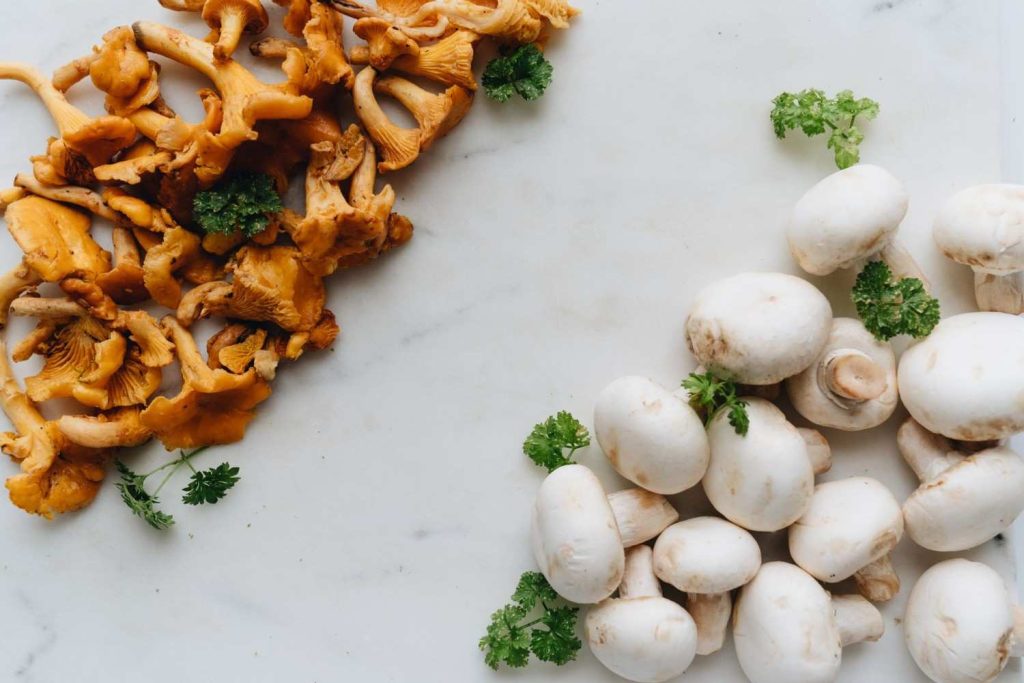
Mushrooms, regardless of their variety, are nutritious foods. Each variety has its unique features.
White Button, Cremini, and Portobello Mushrooms
They belong to the same group of mushrooms but only differ in age. They are inexpensive, widely available, and high in B vitamins and potassium. Portobello mushrooms can be used as a meat alternative.
Shiitake Mushrooms
Shiitake mushrooms are good sources of copper, B vitamins, and lentinan, a form of fiber. They give a deep umami flavor to soups and stir-fries.
Oyster Mushrooms
Protein, niacin, and ergothioneine are found in oyster mushrooms. These cook very fast and have a mild flavor.
Maitake Mushrooms
The maitake mushroom, or the hen-of-the-woods, is commonly used for studies on immune health because it is flavorful.
Lion’s Mane, Reishi, and Other Functional Mushrooms
These are mainly used as supplements or as a form of tea or powder. Studies on lion’s mane mushrooms and cognitive function seem very promising; however, there is very little human data on them. The thing with supplements is that they do not have the rigorous supervision that medications undergo.
Best Types of Edible Mushrooms
Different mushrooms offer different flavors, textures, and nutritional profiles.
| Mushroom | Common use | Notable characteristics |
| White button | Salads, soups, omelets | Mild flavor and widely available |
| Cremini | Stir-fries, pasta, sauces | Firm texture and deeper flavor |
| Portobello | Grilling, sandwiches | Large cap and meaty texture |
| Shiitake | Asian dishes, soups | Rich savory flavor |
| Oyster | Stir-fries, soups | Delicate texture and mild flavor |
| Maitake | Roasting, sautés | Distinctive shape and savory flavor |
| Enoki | Soups, noodle dishes | Thin stems and delicate texture |
The nutrients contained in the mushrooms may differ, even when it comes to the same type of mushroom, making the food label or a credible nutrition database the source to use for accurate data.
Healthier Mushroom Cooking Ideas
- Sauté mushrooms in a little bit of oil.
- Add mushrooms to vegetable soups.
- Add mushrooms to whole grain meals.
- Put sautéed mushrooms in your omelet.
- Cook stir-fried mushrooms with vegetables.
- Roast or grill mushrooms with some herbs and spices.
- Eat mushrooms with beans or lentils.
How to Eat Mushrooms for Better Nutrition
A healthy method of preparation can be determined by the overall nature of the meal. Factors include:
- Sautéing mushrooms using a little bit of healthy cooking oil.
- Combining mushrooms with vegetables to create more variety.
- Adding mushrooms to soups containing legumes or whole grains.
- Barbecuing mushrooms rather than deep-frying them.
- Using mushrooms as a meat substitute in some dishes.
- Combining mushrooms with protein and fiber foods for a balanced meal.
It is advisable not to use highly processed mushroom products with high levels of sodium or saturated fats.
How Many Mushrooms Should You Eat?
There is no established daily requirement. Research and registered dietitians often recommend about one to two cups of mushrooms a week (around 3 to 5 ounces per portion) as a practical and healthful amount. Certain studies recommend the positive effects of about three portions per week.
Who Should Be Careful With Mushrooms?
- Those with a proven mushroom allergy
- IBS patients who are sensitive to fermentable carbohydrates
- Individuals on blood thinners, antidiabetic drugs, and immunosuppressants who want to supplement their intake with mushrooms
- Pregnant or nursing women who wish to take mushroom supplements
- Foragers of wild mushrooms not guided by experts
If you have a certain medical condition, seek professional advice regarding the appropriate amount to take.
FAQs
Are mushrooms good for you every day?
Yes, healthy individuals are able to consume cooked mushrooms daily. You should switch between varieties of mushrooms and see if you experience any gastrointestinal issues.
Are mushrooms good for weight loss?
Mushrooms can come to the rescue. They bring flavor and bulk without many calories, allowing one to feel full without overeating.
Do mushrooms have vitamin D?
Mushrooms that have been exposed to UV light and sun are good sources of vitamin D. Read the package and see if the company has exposed the mushrooms to UV light.
Are mushrooms good for your gut?
Absolutely. Fiber and beta-glucan in mushrooms are beneficial for friendly bacteria residing in the digestive tract.
Are mushrooms high in protein?
Mushrooms have some protein, about 3 grams per 100 grams. However, they cannot be considered a source of protein; instead, they contribute to the overall amount consumed daily.
Is it better to eat mushrooms raw or cooked?
Cooked mushrooms are better. They improve nutrient absorption and decrease irritant compounds naturally found in raw mushrooms.
Conclusion
Mushrooms make a nutritious food item that has the potential to positively contribute to one’s overall well-being when incorporated into a healthy, balanced diet plan. They have the ability to provide the body with B vitamins, selenium, potassium, fiber, antioxidants, beta-glucans, and vitamin D if they are exposed to ultraviolet light. Different types of mushrooms possess different nutritional properties, making them an excellent choice for inclusion in meals.