
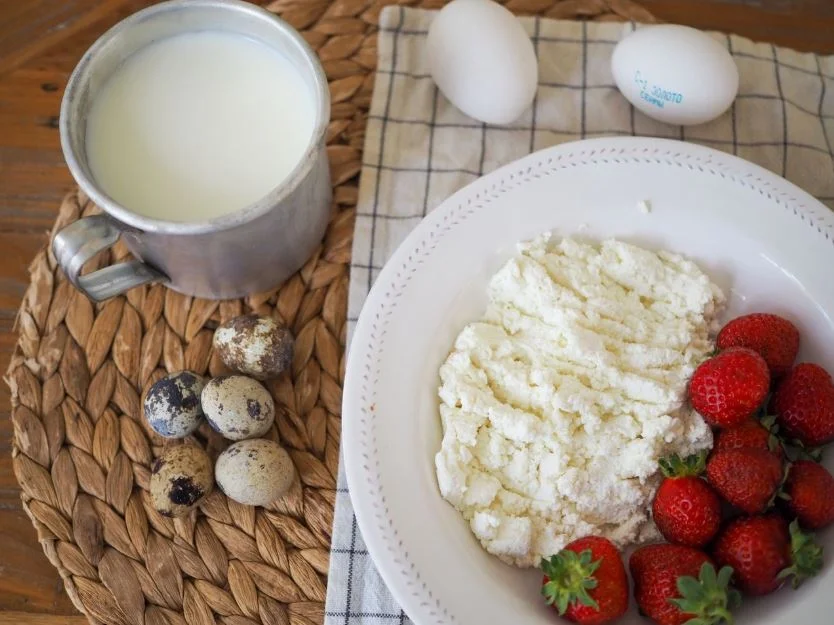
Is cottage cheese a health food? Discover its nutrition, benefits, types, weight loss support, and why it’s a healthy, protein-rich diet choice.
Cottage cheese is a fresh product that is produced by curdling milk and draining the majority of the whey. It is not aged for extended periods like aged cheeses, and has a mild flavor and lumpy texture. Cottage cheese is usually produced from cow’s milk and available in various fat varieties, including:
- Full-fat cottage cheese
- Low-fat cottage cheese
- Non-fat cottage cheese
What Is Cottage Cheese?
Cottage cheese, a fresh soft cheese, is produced from the curds of pasteurized cow’s milk. It is not pressed and ripened like aged cheeses, which results in a mild flavor and a creamy, slightly lumpy texture. It is produced by adding an acid or bacterial culture to milk, which curdles. The whey is then partially removed, and the remaining curds are washed and then stirred with cream dressing.
Cottage cheese comes in various types:
- Full-fat (4% milkfat): This is the creamiest and flavoriest type of cottage cheese, and has more calories and fat, not ideal for low-fat diets.
- Low-fat (2% milkfat): If you’re looking for a more balanced variety that’s also low in calories, low-fat cottage cheese is a great choice for a daily healthy diet or fitness regimen.
- Non-fat (0%): Non-fat cottage cheese is lower in calories and has virtually no fat, but it is less creamy and more watery than other varieties.
- Small curd vs. large curd: Small curd cottage cheese consists of finer and softer bits compared to the larger curd, which has bigger chunks. They both have similar nutritional value, apart from the differences in their appearances and textures.
- Lactose-free cottage cheese: The lactose-free version of cottage cheese is particularly produced through the process of removing lactose, hence making it easy to digest, and also retaining the same protein value

Nutritional Profile of Cottage Cheese
To know whether cottage cheese is a healthy choice, it would be useful to first determine its composition. Below is the nutrient content for ½ cup (113 grams) of 2% low-fat cottage cheese.
| Nutrient | Amount |
| Calories | 90–110 kcal |
| Protein | 12–14 g |
| Total Fat | 2.5–5 g |
| Saturated Fat | 1.5–3 g |
| Carbohydrates | 4–6 g |
| Sugar (lactose) | 3–4 g |
| Sodium | 300–450 mg |
| Calcium | 100–125 mg (10–12% DV) |
| Phosphorus | ~150 mg (15% DV) |
| Selenium | ~15 mcg (27% DV) |
| Vitamin B12 | ~0.4 mcg (17% DV) |
| Riboflavin (B2) | ~0.2 mg (15% DV) |
Is Cottage Cheese a Health Food?
Of course, cottage cheese is regarded as a healthy food since it contains a significant amount of good proteins, calcium, and important minerals, while being low in calories and carbohydrates. Moreover, it stimulates muscle building, assists in weight loss, and strengthens bones.
With moderate consumption, it can be included in a well-balanced diet plan for health maintenance.
5 cottage cheese benefits
Contribute to a balanced diet.
Cottage cheese is a nutrient-dense food that contains protein, calcium, vitamins, and minerals, supporting overall dietary balance and the nutritional needs of the day.
Help with weight management.
Cottage cheese is low in calories and high in protein, making you feel full, curbing cravings, and helping control overall calorie consumption for effective weight management.
Promote blood sugar control.
It contains little carbohydrates and high protein, which helps to slow the absorption of glucose, which helps to keep the blood sugar stable and prevents a spike.
Stimulate gut health
Cottage cheese is light on digestion and is a healthy food. Certain varieties are also rich in beneficial cultures that can help aid digestion and comfort the gut.
Support bone health
Cottage cheese is packed with calcium, phosphorus, and protein—essential nutrients for bone health, strengthening, and decreasing the risk of bone problems.
How to Choose the Healthiest Cottage Cheese
1. Less sodium
To lower the risk of high blood pressure and boost heart health, opt for lower-sodium cottage cheese. Most brands provide a low-salt option to make your daily diet a healthier one.
2. Lower fat content
Choose low-fat or reduced-fat cottage cheese for the same amount of protein with fewer calories. It is good for weight management without compromising nutrition.
3. Flavor and texture
Choose the flavor and texture that you like, creamy or chunky. When food tastes good, it is easier to maintain a consistent healthy diet and to stick to it in the long run.
4. Probiotics
Purchase cottage cheese with live or active cultures. These probiotics can help maintain gut health, balance digestive functions, and promote digestive comfort.
5. Additives
Stay away from items that contain unnecessary additives, preservatives, or artificial flavors. An ingredient list filled with clean ingredients means a natural, healthy, and better cottage cheese.
Potential Downsides of Cottage Cheese for Weight Loss
1. High Sodium
Numerous brands of cottage cheese are flavoured with extra salt and are preserved with salt. Consuming too many sodium-rich foods can lead to water retention, bloating, and hinder visible weight loss.
2. Fat Content
The full-fat cottage cheese has a higher calorie intake from fat, and this will lead to an increase in calorie intake in a day. This could make it less effective when it comes to calorie-restricted weight loss plans.
3. Intolerance or Allergies
Diets that rely on cottage cheese for weight loss may be difficult to follow for some people, as it contains some lactose and milk protein that can lead to allergic reactions, discomfort, or bloating in sensitive individuals.
Healthy Ways to Eat and Enjoy Cottage Cheese
1. Fruit Parfait
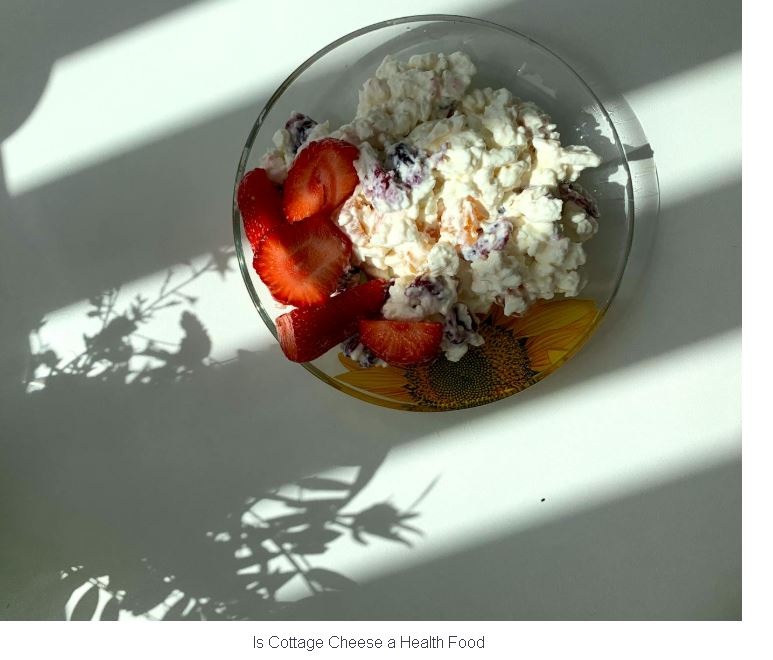
Top with the fresh fruits such as berries, banana, or apple, and cottage cheese. This forms a well-balanced snack option with a good mix of protein, fibre, and natural sugars for long-lasting energy.
2. Smoothie Boost
Cottage cheese can be added to smoothies for creaminess and added protein. It increases satiety and aids muscle recovery while not adding too many sugars or calories.
3. Salad Dressing
Add cottage cheese to herbs, lemon juice, and spices to make a healthy, high-protein salad dressing that can be used to substitute for heavy cream-based or store-bought dressings.
4. Cottage Cheese Pancakes
Add cottage cheese to pancake mix for a protein-packed breakfast. It enhances texture, provides moisture, and helps to keep you satiated for longer in the morning.
5. Stuffed Veggies
Fill bell peppers, tomatoes, or cucumbers with cottage cheese. It enhances flavor, improves the protein content and nutrition of meals, and reduces calorie content.
6. Cottage Cheese Dip
Make a healthy dip with cottage cheese, garlic, herbs, and spices that is a great alternative to high-fat dips for vegetables or whole-grain crackers.
Cottage Cheese vs. Other Popular Health Foods
| Food (½ cup) | Calories | Protein | Fat | Carbs |
| Cottage Cheese (2%) | 90 | 13g | 2.5g | 5g |
| Greek Yogurt (2%) | 80 | 11g | 0g | 6g |
| Ricotta (part-skim) | 170 | 14g | 10g | 6g |
| Tofu (firm) | 94 | 10g | 5g | 2g |
| Eggs (2 large) | 140 | 12g | 10g | 0g |
Cottage cheese stands up well to several other sources of protein when comparing calories and protein levels. It beats Greek yogurt in terms of protein-to-calorie ratio and has better flavors than tofu.
Who Should Eat Cottage Cheese?
Cottage cheese can be eaten by a variety of people, particularly those who need to boost their protein levels. Good for athletes, gym users, those seeking weight loss, and the elderly who want to keep muscle tissue and bone density.
It is very versatile and can be included in a wide variety of meal plans and diets. It might be an easy and healthy option for those who are active.
Who Should Avoid Cottage Cheese?
Some people may have to cut back or eliminate cottage cheese. Lactose-intolerant individuals may feel bloated or have digestive upset after eating it. People who have kidney-related problems might also have to be careful about their protein consumption.
Also, it is important for people on a low-sodium diet to take precautions because of the salt. Vegans also do not eat cottage cheese as it’s a dairy product.
FAQs
Is cottage cheese healthier than Greek yogurt?
Both are great sources of high-quality protein from dairy products. However, cottage cheese usually contains more protein per serving than Greek yogurt, which is usually richer in probiotics and calcium. Choosing one will depend on personal preferences and goals.
Is cottage cheese good for weight loss?
Yes. Because it is rich in protein, it will help you feel fuller for longer, preserve lean mass when reducing calories, and keep your metabolism functioning properly.
Is cottage cheese keto-friendly?
Yes. Full-fat and reduced-fat cottage cheese both contain relatively few carbohydrates and could be eaten in moderate amounts as part of a keto or low-carbohydrate diet.
Is cottage cheese good for diabetics?
Yes, the consumption of cottage cheese by diabetic patients will benefit them if taken in small quantities because it does not contain many carbohydrates.
Final Thought
Cottage cheese is an extremely nutritious dairy product that contains high levels of protein, calcium, and vitamins. Cottage cheese contributes to the maintenance of body mass, muscle building, blood glucose regulation, and bone health. Cottage cheese can be considered an effective component of a healthy lifestyle, especially if you consume it moderately.