
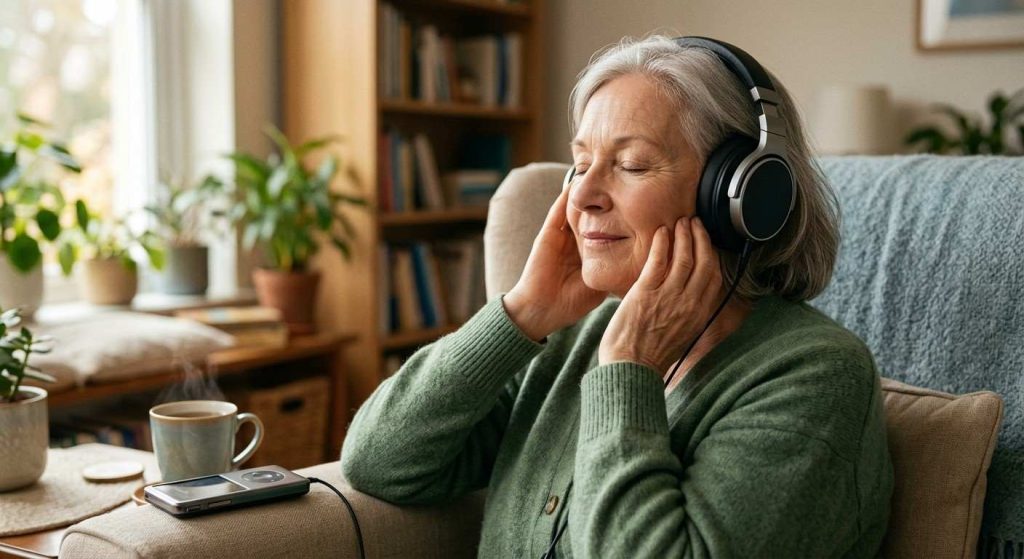
Discover music health and its benefits for mood, stress, sleep, brain function, physical activity, social connection, and overall well-being.
Music and health describes the role that music, music-related activities, and music interventions have in promoting various kinds of wellness. The use of music can affect emotions, stress, movement, memory, interaction, relaxation, and social interactions.
Music plays a part in the everyday lives of individuals. Music is listened to while exercising, learning, working, relaxing, traveling, or interacting socially. Health care practitioners have researched the potential uses of music in relation to health care and rehabilitation.
Possible forms of musical health include:
- Enjoyment of soothing or pleasing music
- Singing either as an individual or as a group
- Playing a musical instrument
- Performing exercises with the help of music
- Utilizing rhythm for rehabilitation
- Being involved in music therapy sessions
- Employing music for relaxing and reducing stress
- Composing music for expressive purposes
Different factors might influence individual experiences, including individual preferences, experience in music, physical condition, environment, sound level, and kind of activities performed.
How Does Music Affect Health?
Music can influence several processes associated with behavior, emotions, movement, attention, and social interaction. Rhythm can help structure movement, familiar songs can trigger memories, and enjoyable music can influence emotional responses. Here are some common ways music may support health and wellness:
| Area | Possible role of music |
| Emotional well-being | Supports mood and emotional expression |
| Stress management | Encourages relaxation for some people |
| Physical activity | Provides rhythm and motivation during exercise |
| Cognitive function | Engages attention, memory, and mental processing |
| Movement | Rhythm can help structure repetitive movements |
| Social connection | Encourages group participation and communication |
| Sleep routines | Calm music may support a relaxing bedtime routine |
| Communication | Singing and rhythm can support some rehabilitation activities |
Music does not produce the same response for everyone. Fast, loud music may increase stimulation, while slow, familiar music may feel more calming. Personal preference also plays an important role.
What Are Music Health Benefits?
The music health effects are referred to as the beneficial impact that music and music-related activities may have on various aspects of wellbeing. The music health benefits may include managing stress, supporting mood, helping with relaxation, exercise, thinking, communication, and social interaction.
The type of music, activity, individual preferences, and context influence its effects. Relaxing music can support relaxation, while fast-paced music can encourage physical activity
Music and Emotional Well-Being
Music gives people a way to experience and express emotions without relying entirely on words. A familiar song may help someone celebrate a positive moment, process difficult emotions, relax after a busy day, or create motivation.
| Emotional Goal | Suitable Music Approach |
|---|---|
| Relaxation | Calm and familiar music |
| Motivation | Energetic rhythmic music |
| Emotional expression | Personally meaningful songs |
| Concentration | Low-distraction instrumental music |
| Social connection | Group singing or musical activities |
| Positive mood | Enjoyable and familiar music |
Who Can Benefit From Music Therapy?
Music therapy may support people with different therapeutic and rehabilitation needs. Qualified music therapists can use structured music interventions to work toward individualized goals related to communication, movement, emotional expression, cognition, or social interaction.
Music therapy may appear in areas such as:
- Neurological rehabilitation
- Mental health support
- Physical rehabilitation
- Developmental care
- Older adult care
- Palliative care
- Communication and social development
The goals differ between individuals. One person may work on communication skills, while another may focus on movement, emotional expression, memory, or social participation.
Music and Social Health
Music provides avenues for social connections. Singing in groups, attending concerts, playing musical instruments together, or engaging in other music activities within the community might encourage social connection. Some of the aspects that music activities together could provide include:
- Common experiences
- Communication
- Collaboration
- Emotional bonding
- Participation in the community
- Creative expression
Music and Sleep
Music is something many individuals use as part of their bedtime routine. Listening to relaxing music could help in creating a peaceful atmosphere, which would aid in relaxation before sleeping. A regular bedtime routine could play a vital role in preparing oneself for bed.
It is important to consider elements like volume, type of songs used, personal preference, and whether music enhances or hinders sleep. For instance, loud music or highly stimulating music may be unsuitable for an individual who wants to calm down.

Music and Emotional Well-Being
Music serves as an avenue for experiencing emotions without necessarily depending solely on words. One may use their favorite song to process their sadness, celebrate their happiness, ease their tension, or motivate themselves. There is different music that would serve different emotional purposes.
| Emotional Goal | Music Approach |
| Relaxation | Calm, familiar music |
| Motivation | Energetic rhythmic music |
| Emotional expression | Personally meaningful songs |
| Concentration | Low-distraction instrumental music |
| Social connection | Group singing or music activities |
| Positive mood | Enjoyable, familiar music |
How to Use Music for Better Well-Being
Professional musical experience is not needed to incorporate music into a healthy lifestyle.
1. Choose Music You Enjoy
Your personal tastes should come into play. Begin with those pieces that make you feel at ease, inspired, relaxed, or happy.
2. Match Music to the Activity
Use stimulating music when doing activities that involve physical effort, while more calming music should be used for relaxing.
3. Keep the Volume Comfortable
Your hearing can be protected from unnecessary noise from excessively loud music, especially through the use of headphones.
4. Try Active Music Activities
Try not to confine your music activities to passive listening. Sing, dance, play a musical instrument, or create music.
5. Include Social Music
Sing in the company of your family members, attend community groups, or take part in music activities with your friends.
6. Use Music as Part of a Routine
Music can be incorporated into one’s morning workout routine, relaxation time, study time, and even bedtime routine.
Are There Any Risks of Using Music?
Music normally poses no serious problems if people maintain reasonable volume levels and proper ways of listening. The major problem related to the issue is the high level of sound exposure, which may impair hearing.
Extremely loud music can cause hearing problems due to prolonged exposure. Individuals need to keep the listening process comfortable and take pauses during long listening sessions.
Moreover, music can evoke powerful emotions connected with specific situations. If a particular song reminds a person of negative experiences, it may lead to feelings of sadness or anxiety instead of relaxation. People need to select music depending on the situation.
What Is the Difference Between Music Health and Music Therapy?
| Feature | Music Health | Music Therapy |
| Meaning | Broad connection between music and well-being | Structured therapeutic practice |
| Main purpose | General health and wellness support | Specific therapeutic goals |
| Activities | Listening, singing, dancing, playing | Therapist-guided music interventions |
| Professional involvement | Not always required | Involves a qualified music therapist |
| Setting | Home, community, fitness, education | Healthcare and therapeutic settings |
| Individual goals | General well-being | Personalized clinical or therapeutic goals |
This difference will avoid confusion. Listening to music in order to relax does not mean that one is undergoing music therapy.
How Can Music Support Exercise?
You can match the music to the activity:
- Use rhythmic music during walking or running.
- Choose energetic songs for higher-intensity workouts.
- Use calmer music during stretching or cooldowns.
- Keep the volume low enough to remain aware of your surroundings.
- Choose music that you personally find motivating.
Frequently Asked Questions About Music Health
Can music reduce anxiety?
Some people can use music to relax and deal with daily stress and anxiety. This depends on the individual, which is why the calming music must suit each individual.
Can music improve brain health?
Music stimulates various processes involving the senses of hearing, attention, memory, emotion, motor skills, and coordination. While musical activities can be used to stimulate the brain, music cannot substitute medical treatment for neurological disorders.
Is music good for physical health?
Music can assist in the performance of physical activities by increasing one’s motivation and fun during activities like walking, dancing, running, and cycling. The health benefits are mainly from physical activities.
Can music help with sleep?
Relaxed music can help some people establish a relaxed atmosphere before going to bed. It is possible to make music listening more relevant to bedtime through consistency, proper volume, and appropriate music.
What type of music is best for health?
There is no specific type of music that would be beneficial for everyone. One’s personal preference, activities, mood, volume of listening, and response are important.
Is music therapy the same as listening to music?
No. Music therapy is a professional practice that uses music in a therapeutic way. However, music listening can contribute to one’s health and well-being, but it doesn’t automatically become music therapy.
Conclusion
Health in Music involves the relationship between our daily music practices and our physical, emotional, cognitive, and social well-being. Activities such as listening to music, singing, dancing, playing an instrument, and music therapy can promote relaxation, mood, movement, memory, and connections. Select appropriate music, keep a safe listening volume, and combine your music practices with proper healthcare when necessary. Your preferences and reactions will determine how to use music for well-being.
